


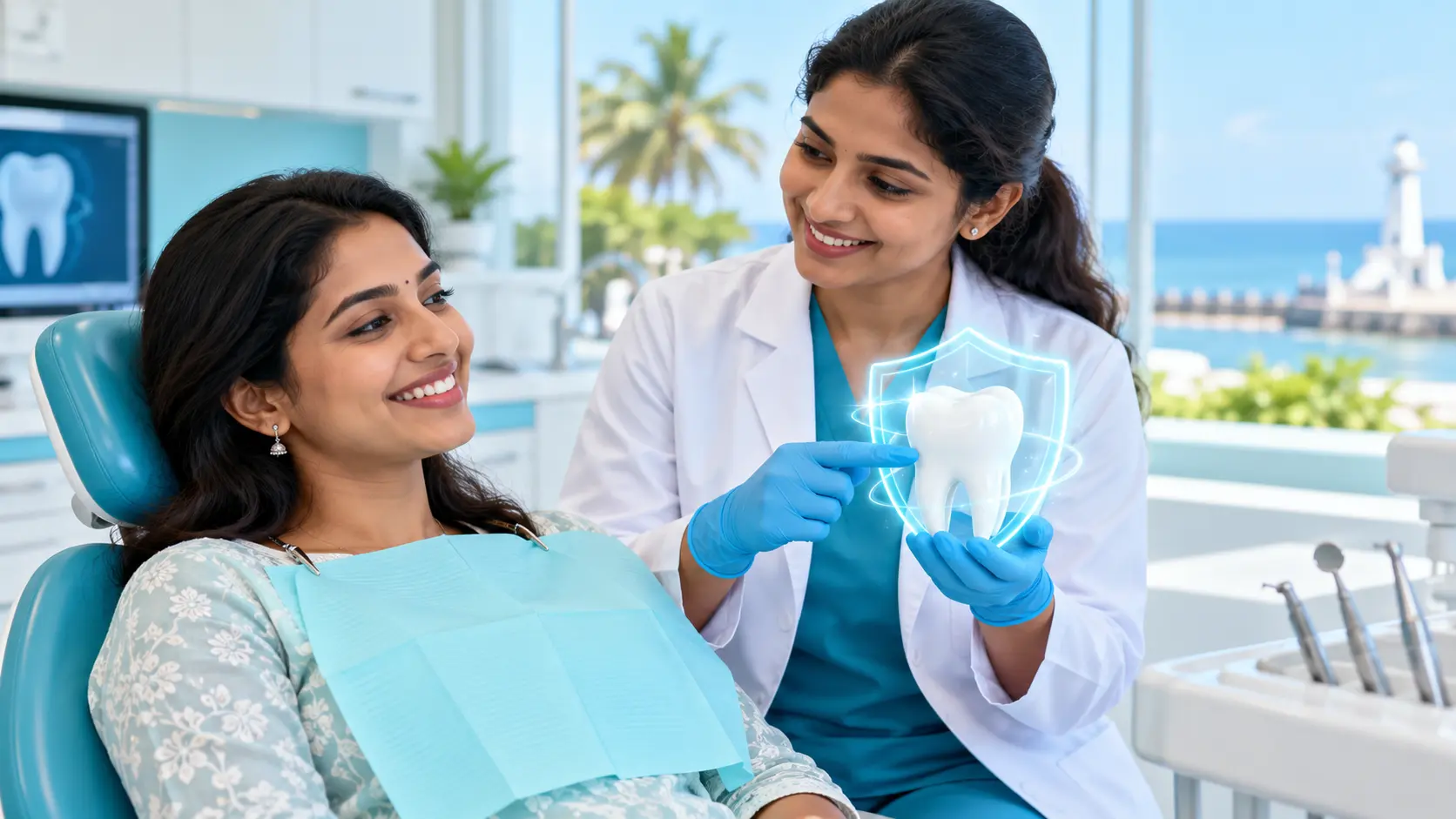
Best Treatment for Receding Gums in Pondicherry – Causes, Symptoms and Solutions
Have you noticed that your teeth appear longer than before, your gums are moving away from your teeth, or you experience sensitivity while eating hot and cold foods? These may be signs of gum recession, a common dental condition that can affect both adults and senior citizens.
Finding the **best treatment for receding gums in Pondicherry** begins with identifying the underlying cause. Gum recession may develop because of periodontal disease, aggressive brushing, thin gum tissue, or other factors affecting the tissues surrounding the teeth.
At **Smile and Glow Dental Care in Pondicherry**, patients can seek a dental examination to understand gum-related concerns and discuss appropriate treatment or specialist referral options.
Early diagnosis can help manage the underlying cause, protect exposed tooth roots, and reduce the risk of further gum recession.
What Are Receding Gums?
Gum recession, medically called gingival recession, occurs when the gum tissue surrounding a tooth moves away from its normal position, exposing more of the tooth or its root.
Healthy gums help protect the teeth and supporting structures. When gum tissue recedes, exposed root surfaces may become sensitive and more vulnerable to decay.
Common Signs of Receding Gums
- Teeth appearing longer than before.
- Visible tooth roots near the gumline.
- Sensitivity to hot or cold foods.
- Changes in the appearance of the gumline.
- Bleeding or swollen gums when gum disease is present.
- Discomfort while brushing.
- Gaps becoming more noticeable near the gums.
- Loose teeth in advanced periodontal disease.
Gum recession does not always cause pain. Some people notice changes in their gumline before experiencing any discomfort.
What Causes Receding Gums?
Several factors can contribute to gum recession. Understanding the cause is essential because different conditions require different treatment approaches.
1. Gum Disease and Periodontitis
Periodontal disease is an important cause of gum recession.
When bacterial plaque accumulates around the teeth, it can contribute to gum inflammation. If untreated, advanced periodontal disease can damage the tissues and bone supporting the teeth.
Common warning signs include:
- Bleeding gums.
- Persistent bad breath.
- Gum swelling.
- Receding gumlines.
- Deep periodontal pockets.
- Loose or shifting teeth.
Professional periodontal treatment may help control the disease and prevent further damage.
2. Brushing Too Hard
Aggressive brushing, excessive pressure, and improper brushing techniques can contribute to gum recession.
Using a hard-bristled toothbrush or repeatedly scrubbing the gums may damage delicate tissues.
A soft-bristled toothbrush and gentle brushing technique are generally recommended.
3. Teeth Grinding and Excessive Bite Pressure
Teeth grinding, also called bruxism, can place significant pressure on the teeth and surrounding structures.
Grinding is not an established direct cause of every case of gum recession, but it may contribute to dental wear and other problems that require assessment.
A dentist can evaluate whether grinding, clenching, or bite-related factors need attention.
4. Naturally Thin Gum Tissue
Some individuals naturally have thinner gum tissue around certain teeth.
Thin gum tissue may be more susceptible to recession, particularly when combined with brushing trauma, inflammation, or other risk factors.
5. Misaligned Teeth
Crowded, protruding, or improperly positioned teeth may have thinner supporting gum tissue in certain areas.
Some orthodontic conditions or tooth movements can influence recession risk.
A dentist or orthodontist can assess the relationship between tooth position and gum health.
6. Tobacco Use
Smoking and other tobacco products are associated with an increased risk of periodontal disease.
Tobacco use can also affect healing and reduce the success of certain periodontal treatments.
Avoiding tobacco is an important part of maintaining healthy gums.
Can Receding Gums Grow Back Naturally?
**No. Gum tissue that has been lost through recession does not normally grow back on its own.**
Good oral hygiene and professional dental treatment can help control inflammation and prevent additional recession, but brushing, mouthwash, and home remedies cannot reliably restore lost gum tissue.
Can Receding Gums Be Reversed?
The answer depends on what is meant by reversal.
- Gum inflammation caused by gingivitis can often improve with appropriate treatment.
- Further gum recession may be prevented or slowed by addressing its cause.
- Tooth sensitivity from exposed roots may be managed.
- Certain surgical procedures may cover exposed tooth roots.
- Advanced loss of gum tissue and supporting bone cannot always be fully restored.
A dentist must assess the severity and cause of recession before recommending a treatment plan.
Best Treatment Options for Receding Gums in Pondicherry
The most suitable treatment depends on the extent of recession, gum inflammation, tooth sensitivity, bone support, and individual oral health.
1. Professional Dental Cleaning
Professional teeth cleaning helps remove plaque and hardened tartar from tooth surfaces.
It may be recommended when gum inflammation or plaque accumulation contributes to oral health problems.
Benefits of Professional Dental Cleaning
- Removes plaque and tartar deposits.
- Helps maintain healthier gums.
- Supports control of gingivitis.
- Allows closer assessment of gum health.
- Supports ongoing preventive dental care.
Professional cleaning does not directly replace gum tissue that has already receded.
2. Scaling and Root Planing for Gum Disease
Scaling and root planing, commonly known as deep cleaning, is a non-surgical periodontal treatment used for patients with periodontitis.
The procedure involves removing bacterial deposits from below the gumline and treating affected root surfaces.
When Is Deep Cleaning Recommended?
A dentist may recommend scaling and root planing when there are:
- Deep periodontal pockets.
- Hardened deposits beneath the gums.
- Signs of periodontal inflammation.
- Evidence of attachment loss.
- Periodontal disease requiring professional treatment.
Deep cleaning helps manage periodontal disease but does not guarantee regrowth of lost gum tissue.
3. Gum Grafting Surgery
Gum grafting is a periodontal surgical procedure used to increase gum tissue coverage or protect areas affected by recession.
During the procedure, a periodontal specialist may use tissue from another area of the mouth or a suitable grafting material.
Potential Benefits of Gum Grafting
- Covers exposed tooth roots in suitable cases.
- May reduce root sensitivity.
- Helps protect vulnerable root surfaces.
- May improve the appearance of the gumline.
- Can help reduce the risk of further recession in selected areas.
Not every patient requires gum grafting, and complete root coverage cannot be guaranteed.
The outcome depends on the type of recession, remaining tissue, tooth position, and other clinical factors.
4. Root Coverage Procedures
Root coverage procedures are surgical treatments designed to reposition or augment gum tissue around exposed tooth roots.
Depending on the clinical condition, a periodontist may consider techniques such as:
- Connective tissue grafting.
- Coronally advanced flap procedures.
- Selected soft-tissue graft substitutes.
- Other appropriate periodontal plastic surgery techniques.
These procedures aim to improve tissue coverage, protect tooth roots, and address sensitivity or aesthetic concerns.
Treatment selection requires specialist assessment.
5. Treatment for Sensitive Teeth
Gum recession can expose tooth roots that are more sensitive than enamel-covered surfaces.
A dentist may recommend:
- Desensitizing toothpaste.
- Professional fluoride applications.
- Suitable desensitizing agents.
- Treatment of cavities or damaged root surfaces.
- Other protective dental restorations when necessary.
Sensitivity treatment can improve comfort but does not restore missing gum tissue.
6. Dental Bonding for Exposed Root Surfaces
Dental bonding uses tooth-colored restorative materials to cover certain exposed or damaged root surfaces.
In suitable cases, bonding may help manage sensitivity or improve appearance.
However, bonding is not a substitute for periodontal treatment when active gum disease is present.
7. Orthodontic Assessment
Certain tooth positions can influence the amount and thickness of supporting gum tissue.
When tooth alignment contributes to a patient's dental concerns, orthodontic evaluation may be useful.
Orthodontic treatment should be planned carefully in patients who already have gum recession or periodontal disease.
Not every case of recession requires braces or clear aligners.
Which Gum Recession Treatment Is Best for You?
There is no single treatment that is best for every patient.
Mild Gum Recession
For mild recession without active periodontal disease, treatment may focus on:
- Correcting brushing techniques.
- Improving plaque control.
- Managing tooth sensitivity.
- Monitoring gum changes.
- Addressing risk factors.
Moderate Gum Recession
Moderate recession may require:
- Periodontal examination.
- Professional cleaning or deep cleaning when indicated.
- Treatment of root sensitivity.
- Assessment for root coverage procedures.
- Regular periodontal follow-up.
Severe Gum Recession
Severe recession may involve significant tissue loss, exposed tooth roots, or associated periodontal damage.
Possible management may include:
- Advanced periodontal treatment.
- Gum grafting or root coverage procedures.
- Treatment of underlying gum disease.
- Management of supporting bone loss.
- Specialist periodontal evaluation.
- Long-term periodontal maintenance.
A dentist or periodontist can determine the prognosis of the affected teeth.
How Is Gum Recession Diagnosed?
An accurate diagnosis is necessary before beginning treatment.
Step 1: Dental and Medical History
The dentist reviews your dental concerns, brushing habits, medical conditions, and medications.
Step 2: Gum Examination
The gums are examined for recession, inflammation, bleeding, and changes in tissue appearance.
Step 3: Periodontal Measurements
A periodontal probe may be used to measure recession and the depth of pockets around the teeth.
Step 4: Assessment of Tooth Mobility
The dentist may check for loose teeth and other signs of reduced periodontal support.
Step 5: Dental X-Rays When Necessary
Dental X-rays may help evaluate bone loss and other conditions affecting the supporting structures.
Step 6: Personalized Treatment Planning
The dentist explains the findings and discusses appropriate treatment, monitoring, or periodontal specialist referral.
Is Gum Recession Treatment Painful?
The level of discomfort depends on the treatment required.
Routine examinations and professional cleaning are often well tolerated, although sensitive gums may cause temporary discomfort.
Scaling and root planing may be performed with local anesthesia when necessary.
Gum grafting and other surgical procedures typically involve suitable anesthesia to reduce pain during treatment.
Some temporary soreness, swelling, or sensitivity may occur afterward.
Patients should discuss pain management, expected recovery, and aftercare before undergoing treatment.
How Long Does Gum Recession Treatment Take?
Treatment duration varies according to the cause and severity of gum recession.
Professional Cleaning
Routine cleaning may be completed during a dental visit, depending on the amount of plaque and tartar present.
Scaling and Root Planing
Deep cleaning may require one or more appointments depending on how many areas need treatment.
Gum Grafting
Surgical treatment involves a procedure followed by a healing period and review appointments.
Long-Term Maintenance
Periodontal health often requires ongoing professional monitoring and consistent oral hygiene.
The dentist can explain the expected treatment schedule after examining your gums.
Can Receding Gums Cause Tooth Loss?
Gum recession alone does not necessarily mean a tooth will be lost.
However, when recession is associated with advanced periodontitis, damage to the supporting bone and ligaments may increase tooth mobility and the risk of tooth loss.
Exposed roots may also become more vulnerable to sensitivity and root decay.
Early dental assessment can help identify whether recession is stable or part of an ongoing periodontal condition.
How to Prevent Gum Recession From Getting Worse
Preventive care is important for protecting existing gum tissue.
Daily Gum Care Tips
- Brush twice daily using fluoride toothpaste.
- Use a soft-bristled toothbrush.
- Avoid excessive pressure while brushing.
- Clean between teeth using floss or suitable interdental cleaners.
- Attend regular dental examinations.
- Receive professional periodontal care when recommended.
- Avoid smoking and tobacco products.
- Manage diabetes and other relevant medical conditions.
- Seek advice about teeth grinding when necessary.
- Follow treatment-specific oral hygiene instructions.
Choose a Gentle Brushing Technique
Position your toothbrush carefully near the gumline and use gentle movements.
Avoid forceful horizontal scrubbing.
A dentist or dental hygienist can demonstrate a technique suitable for your teeth and gums.
Avoid Unproven Gum Regrowth Remedies
Oil pulling, herbal mixtures, homemade pastes, and other home remedies have not been shown to reliably regrow receded gum tissue.
Some abrasive or irritating substances may worsen oral discomfort.
Professional diagnosis is important before attempting to treat gum recession.
Receding Gums Treatment for Senior Citizens in Pondicherry
Gum recession is commonly seen in older adults, although it can occur at any age.
Senior citizens may experience recession alongside:
- Previous periodontal disease.
- Exposed tooth roots.
- Tooth sensitivity.
- Root cavities.
- Missing teeth.
- Existing crowns or dentures.
- Medical conditions affecting oral health.
Treatment should consider the patient's medical history, oral hygiene abilities, remaining teeth, and overall periodontal condition.
Age alone does not determine whether a patient is suitable for periodontal treatment.
How Much Does Gum Recession Treatment Cost in Pondicherry?
The cost of treatment for receding gums in Pondicherry depends on the patient's clinical condition and the procedures required.
Factors That Affect Treatment Cost
- Initial dental consultation.
- Periodontal examination.
- Diagnostic imaging when needed.
- Professional dental cleaning.
- Scaling and root planing.
- Number of affected teeth.
- Need for specialist periodontal consultation.
- Gum grafting or other surgical treatment.
- Follow-up and periodontal maintenance.
Mild recession may require monitoring and preventive care, while more advanced conditions may need additional procedures.
For an accurate estimate, patients should undergo a dental examination and request an individualized treatment plan.
Why Choose Smile and Glow Dental Care for a Gum Health Assessment in Pondicherry?
**Smile and Glow Dental Care, also known as SMILEKRAFT DENTAIRE**, provides multispeciality dental services in Puducherry.
The clinic is founded by Dr. Prasanna Kumar, an Endodontist, and Dr. Sruthi, an Oral Pathologist.
Patients experiencing bleeding gums, sensitivity, exposed tooth roots, or suspected gum recession can enquire about dental consultations.
Comprehensive Dental Examination
A dental examination helps identify changes in gum health and determine whether additional periodontal assessment is necessary.
Personalized Treatment Planning
Gum recession can have different causes. Treatment should be based on clinical findings rather than applying the same procedure to every patient.
Preventive and Restorative Dental Care
The clinic lists preventive, restorative, cosmetic, and other dental services that may support overall oral health.
Guidance on Further Treatment
Patients who require specialized periodontal procedures can discuss available treatment options and whether specialist referral is appropriate.
Specific services such as gum grafting, root coverage surgery, and advanced periodontal treatment should be confirmed directly with the clinic before booking.
Receding Gums Treatment Near Bussy Street and Mission Street, Pondicherry
Patients searching for **receding gums treatment near me in Pondicherry** can contact Smile and Glow Dental Care at its Puducherry locations.
Dental Clinic Near Bussy Street, Pondicherry
**Address:**
146, Bussy Street, Opposite Chinnamani Kundu, Chinnakadai, Near MG Road Junction, Puducherry – 605001.
This location may be convenient for patients travelling from Bussy Street, Chinnakadai, MG Road, and surrounding areas.
Dental Clinic Near Mission Street, Pondicherry
**Address:**
39, Aurobindo Street, Junction of Mission Street, Puducherry – 605001.
Patients around Mission Street, Aurobindo Street, White Town, and nearby areas can enquire about dental appointments.
Confirm branch details and the availability of the required treatment before visiting.
Frequently Asked Questions About Receding Gums Treatment in Pondicherry
What is the best treatment for receding gums?
The best treatment depends on the cause and severity of recession. Mild cases may require improved oral hygiene and monitoring, while gum disease may require scaling and root planing. Gum grafting or root coverage surgery may be considered for selected patients.
Can receding gums grow back naturally?
No. Lost gum tissue does not normally grow back naturally. Professional treatment may help prevent further recession, and certain surgical procedures can provide additional gum coverage.
Can receding gums be treated without surgery?
Yes. Some cases can be managed without surgery through improved brushing, professional cleaning, periodontal treatment, sensitivity management, and monitoring. Other cases may require surgical assessment.
Is gum grafting necessary for every patient with receding gums?
No. Gum grafting is recommended only in selected cases based on recession severity, tissue condition, sensitivity, aesthetic concerns, and other clinical factors.
Does scaling and root planing reverse gum recession?
Scaling and root planing helps manage periodontal disease by removing deposits from affected root surfaces. It does not reliably regrow lost gum tissue.
Can brushing too hard cause gum recession?
Yes. Aggressive brushing and excessive pressure can contribute to gum recession. Using a soft-bristled toothbrush and gentle brushing technique may help prevent further damage.
Are receding gums a sign of gum disease?
Gum recession can be associated with periodontal disease, but it may also result from brushing trauma, thin gum tissue, or other factors. A dental examination is needed to determine the cause.
Can receding gums cause tooth sensitivity?
Yes. Exposed tooth roots may become sensitive to hot, cold, or sweet foods. Desensitizing products and suitable dental treatments can help manage discomfort.
How much does receding gums treatment cost in Pondicherry?
Treatment costs depend on the severity of recession, whether periodontal cleaning is required, and the need for additional procedures such as gum grafting. A dental consultation is necessary for a personalized estimate.
Where can I get a dental consultation for receding gums in Pondicherry?
Smile and Glow Dental Care in Puducherry provides dental consultations at its Bussy Street and Mission Street locations. Patients can contact the clinic to discuss gum concerns and confirm the availability of appropriate treatment or specialist referral.
Book a Dental Consultation for Receding Gums in Pondicherry
Receding gums should not be ignored, especially when accompanied by tooth sensitivity, bleeding gums, or loose teeth.
Early assessment can help identify the cause, manage gum disease when present, and determine whether additional treatment is necessary.
At **Smile and Glow Dental Care in Pondicherry**, patients can enquire about dental examinations for gum recession and discuss suitable care based on their oral health condition.
**Book an Appointment:** https://smileandglowdentalcare.com/book-dental-appointment-pondicherry
**Contact Number:** +91 77082 35717
**Clinic Locations:** Bussy Street and Mission Street, Puducherry.
**Protect Your Gums and Natural Teeth – Schedule a Dental Consultation Today.**
*Medical Disclaimer: This article is intended for general oral health education and does not replace professional dental diagnosis or personalized treatment advice. Gum recession treatment and outcomes vary according to individual clinical conditions.*