


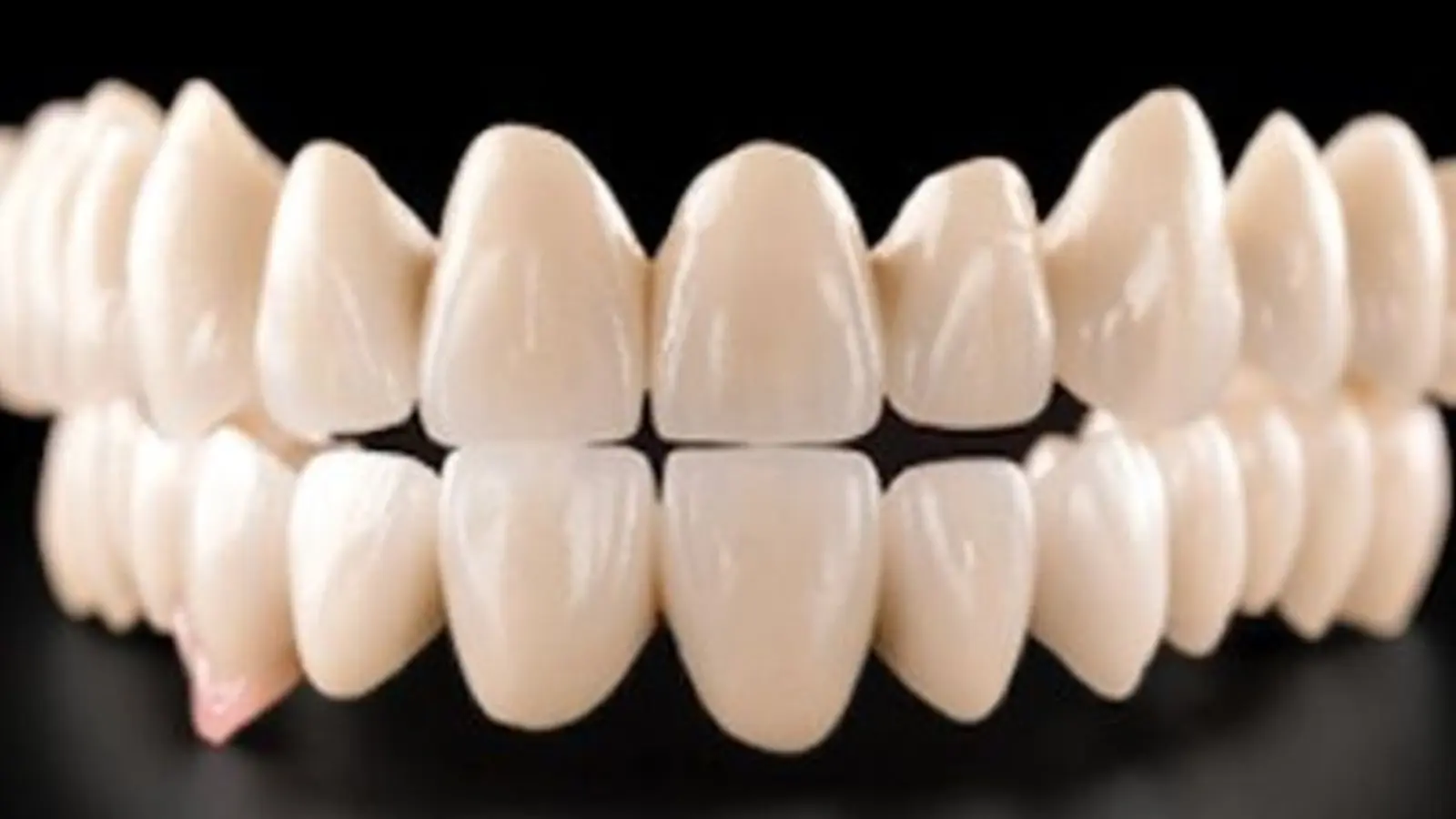
Why a Crown May Be Needed After Root Canal
A root-treated tooth may need a crown when substantial structure is missing or chewing forces could cause fracture. The decision depends on tooth position, remaining walls, cracks, bite and the existing restoration.
Key takeaways
- Root canal and final restoration solve different problems.
- Remaining tooth structure guides the restoration choice.
- Posts are used for retention, not routinely for strength.
- Do not leave a weakened tooth under a temporary filling.
Why a Crown May Be Needed After Root Canal: what patients should know
Root canal treatment manages disease inside the tooth, while the final restoration rebuilds the outside. Teeth usually become vulnerable because decay, cracks and previous fillings have removed structure—not simply because the nerve was treated. Leaving a heavily weakened tooth with only a temporary filling can increase leakage or fracture risk.
How a dentist evaluates the concern
The dentist evaluates the number and thickness of remaining walls, presence of cracks, tooth position, opposing bite and whether a post or core is needed. Front teeth with limited damage may have different needs from molars under strong chewing forces. A crown, onlay or bonded restoration may be considered according to the case.
Treatment planning and realistic choices
A core rebuilds missing internal structure, while a crown or onlay protects the chewing surface and cusps. Posts are not placed to strengthen every tooth; they are used when needed to retain a core and can require additional tooth preparation. Ask why each component is proposed and what alternatives exist.
Care, recovery and long-term follow-up
Complete the restoration within the timeframe advised by the treating dentist. Until then, avoid hard chewing on the tooth and report loss of a temporary filling. After restoration, clean the margins, maintain gum health and attend reviews so bite, seal and surrounding tissues can be monitored.
When to seek urgent help
A fracture, lost temporary filling, new swelling, pain on biting or a crown that feels high should be checked promptly. If a large piece breaks, save it if possible and avoid attempting home repair.
Questions to take to your Pondicherry appointment
Ask the clinician to explain the diagnosis, which findings support it, reasonable alternatives, expected appointments, important risks, aftercare and the complete estimated treatment scope. Mention your medicines, allergies, pregnancy, medical conditions and previous dental treatment. This information helps the dental team plan safer, more personal care.
How to prepare for a useful consultation
Write down when the concern began, what makes it better or worse, and whether it affects eating, sleeping or daily activities. Bring recent dental records or radiographs when available, along with a current list of medicines, allergies and important medical conditions. Avoid starting antibiotics or pain medicines on someone else’s advice. A clear history, clinical examination and appropriate imaging help the dentist distinguish the likely cause from conditions that can appear similar.
Choosing care with confidence
A professional recommendation should be based on your examination rather than a fixed package or an online estimate. Ask what may happen if treatment is delayed, whether monitoring is reasonable, what alternatives exist, who will provide each stage and what follow-up is included. Patients travelling within or to Puducherry should also plan enough time for review visits. Treatment outcomes vary, so informed consent and realistic expectations are more valuable than promises of a guaranteed result.
Key points for informed dental care
- Root canal and final restoration solve different problems.
- Remaining tooth structure guides the restoration choice.
- Posts are used for retention, not routinely for strength.
- Do not leave a weakened tooth under a temporary filling.
SMILEKRAFT DENTAIRE provides patient-focused dental assessment in Puducherry. Explore the related dental service or request an appointment for an individual evaluation.
Frequently asked questions
Why not keep the temporary filling?
Temporary materials are designed for limited use and may not protect a heavily weakened tooth long term.
Is a post always required?
No. A post is considered when there is insufficient structure to retain the core; it is not routine for every root-treated tooth.
Can a crown prevent every fracture?
No restoration can eliminate all risk, but suitable cuspal coverage can help protect selected weakened teeth.
When should the crown be placed?
Follow the timing advised for your tooth, symptoms and treatment sequence rather than delaying without review.
Sources and further reading
Local context: Puducherry, Puducherry