


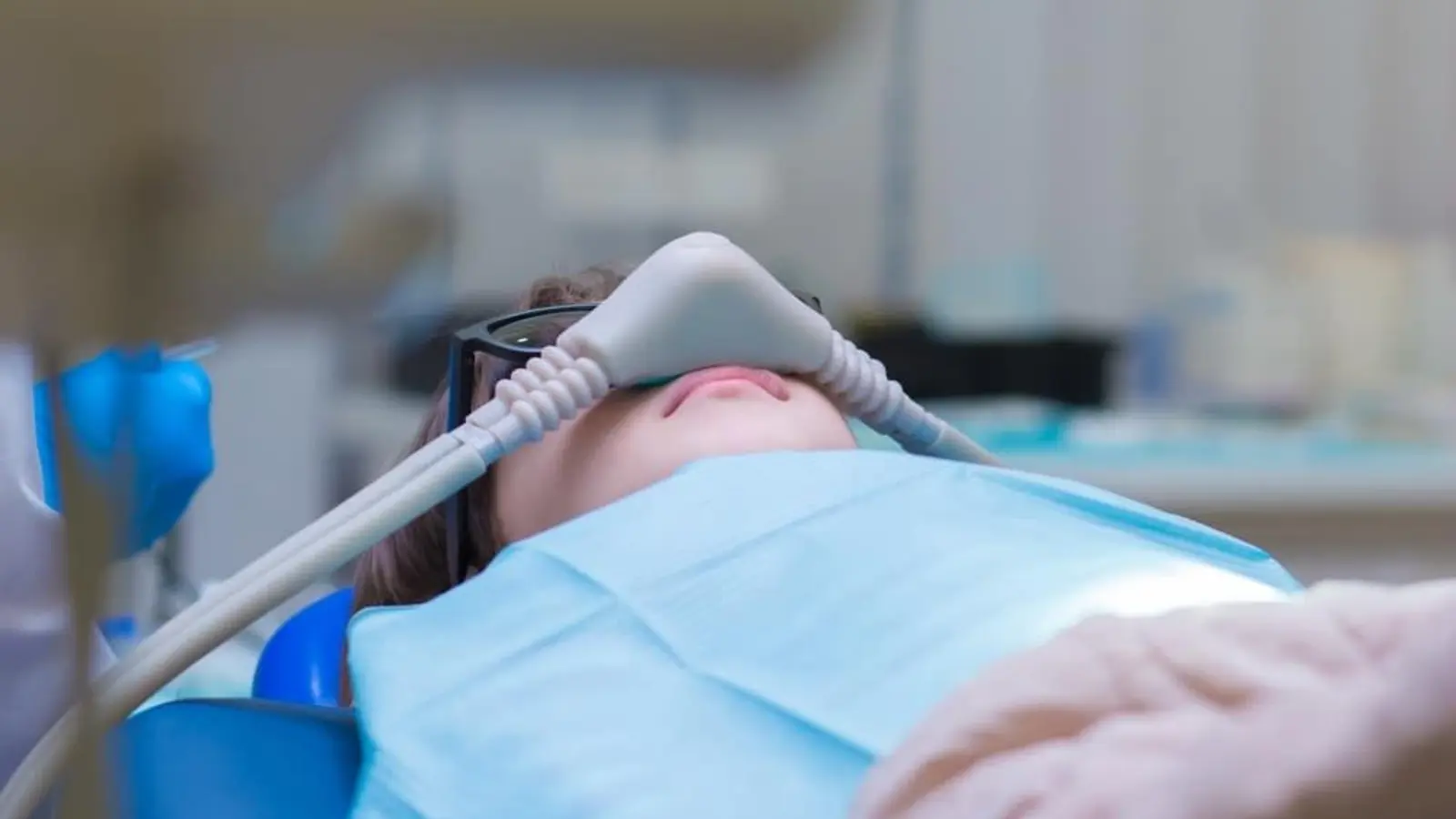
Dental Anxiety and Conscious Sedation for Children
Children’s dental anxiety is first managed with communication, pacing and behaviour guidance. Conscious sedation may be considered for selected children after medical assessment, informed consent, trained staffing and appropriate monitoring.
Key takeaways
- Communication and behaviour guidance come first.
- Sedation requires medical screening and informed consent.
- Trained staff and monitoring are essential.
- Parents must follow recovery instructions exactly.
Dental Anxiety and Conscious Sedation for Children: what patients should know
Fear can come from unfamiliar surroundings, previous pain, sounds, loss of control or stories heard from others. Children differ in age, temperament, communication and treatment need. A pediatric approach adapts language, appointment length and techniques instead of expecting every child to cope in the same way.
How a dentist evaluates the concern
Before sedation, the dentist reviews the child’s medical history, medicines, allergies, airway, previous sedation or anaesthesia and the treatment required. Parents must receive clear fasting or eating instructions when relevant, understand the intended level of sedation, alternatives, possible risks and post-visit supervision.
Treatment planning and realistic choices
Behaviour guidance can include tell-show-do, positive reinforcement, distraction and gradual familiarisation. Sedation is an additional tool, not a replacement for safe local anaesthesia or careful technique. The child should retain the level of response expected for the selected method, while trained staff monitor appropriate clinical signs and equipment is available for emergencies.
Care, recovery and long-term follow-up
Follow every written pre- and post-sedation instruction exactly. Arrange responsible adult supervision and suitable transport. After the visit, activity, food and medicine should follow the clinical team’s guidance. Contact the clinic if recovery differs from what was explained.
When to seek urgent help
Seek emergency help for breathing difficulty, unusual unresponsiveness, persistent vomiting with concern, bluish colour, or any rapidly worsening symptom after sedation. Parents should receive emergency contact instructions before leaving the clinic.
Questions to take to your Pondicherry appointment
Ask the clinician to explain the diagnosis, which findings support it, reasonable alternatives, expected appointments, important risks, aftercare and the complete estimated treatment scope. Mention your medicines, allergies, pregnancy, medical conditions and previous dental treatment. This information helps the dental team plan safer, more personal care.
How to prepare for a useful consultation
Write down when the concern began, what makes it better or worse, and whether it affects eating, sleeping or daily activities. Bring recent dental records or radiographs when available, along with a current list of medicines, allergies and important medical conditions. Avoid starting antibiotics or pain medicines on someone else’s advice. A clear history, clinical examination and appropriate imaging help the dentist distinguish the likely cause from conditions that can appear similar.
Choosing care with confidence
A professional recommendation should be based on your examination rather than a fixed package or an online estimate. Ask what may happen if treatment is delayed, whether monitoring is reasonable, what alternatives exist, who will provide each stage and what follow-up is included. Patients travelling within or to Puducherry should also plan enough time for review visits. Treatment outcomes vary, so informed consent and realistic expectations are more valuable than promises of a guaranteed result.
Key points for informed dental care
- Communication and behaviour guidance come first.
- Sedation requires medical screening and informed consent.
- Trained staff and monitoring are essential.
- Parents must follow recovery instructions exactly.
SMILEKRAFT DENTAIRE provides patient-focused dental assessment in Puducherry. Explore the related dental service or request an appointment for an individual evaluation.
Frequently asked questions
Does conscious sedation make a child fully unconscious?
Conscious or minimal-to-moderate sedation is intended to preserve an appropriate level of response; the exact method and expected effects must be explained by the dentist.
Is sedation suitable for every anxious child?
No. The decision depends on health, age, anxiety, treatment need, cooperation and available alternatives.
Will local anaesthetic still be needed?
Often yes. Sedation reduces anxiety or awareness but does not automatically replace pain control.
What should parents ask?
Ask about the method, provider training, monitoring, eating instructions, alternatives, recovery and emergency procedures.
Sources and further reading
Local context: Puducherry, Puducherry