


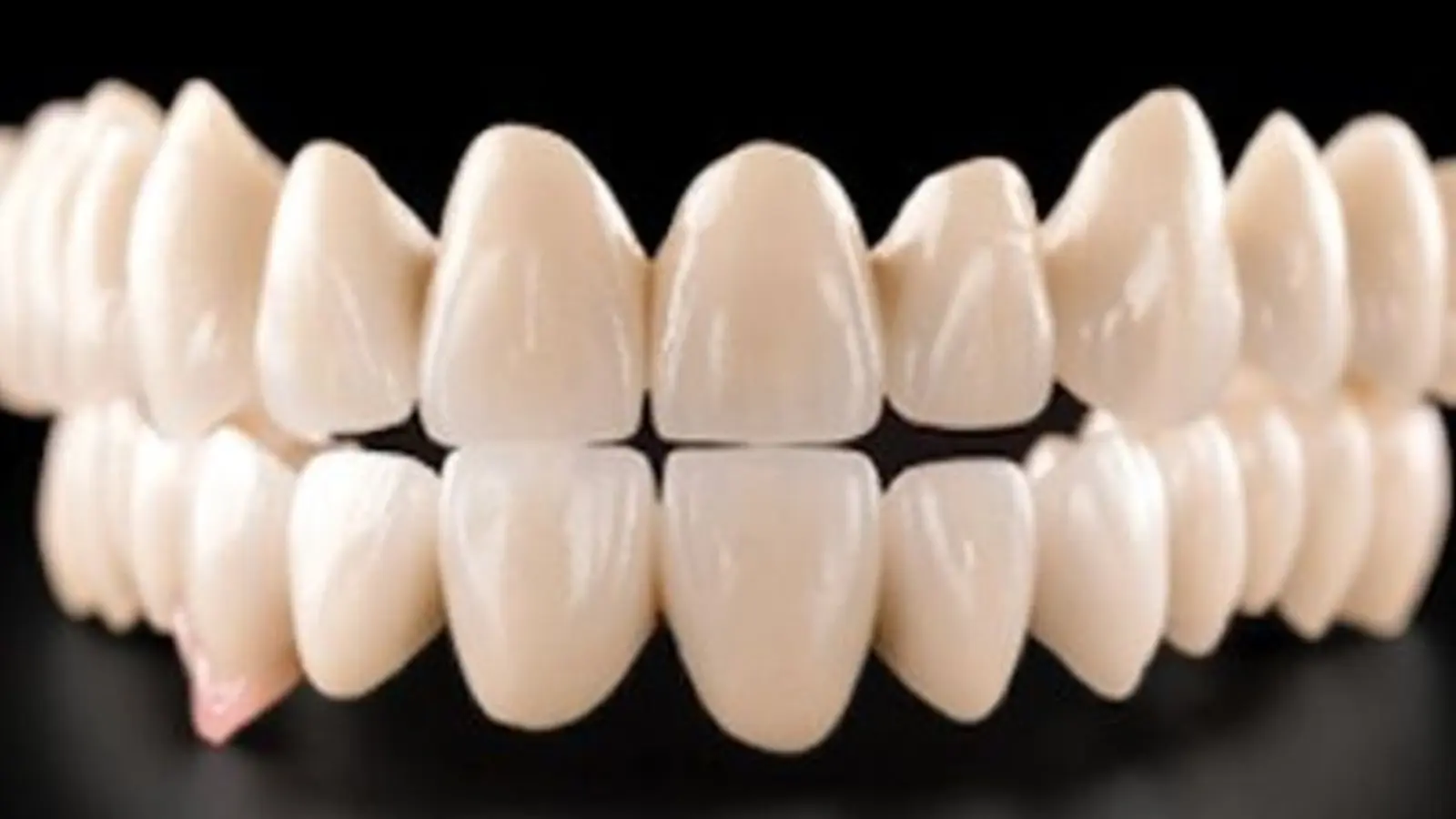
Dental Crowns in Pondicherry: Types and Care
A dental crown covers and protects a weakened or heavily restored tooth. Material and design are chosen according to remaining tooth structure, bite forces, appearance, space, gum health and maintenance needs.
Key takeaways
- A crown is one of several restorative options.
- Material choice depends on tooth, bite and appearance.
- Fit, contacts and cleanable margins matter.
- Crowned teeth still need daily care and reviews.
Dental Crowns in Pondicherry: Types and Care: what patients should know
Crowns may be recommended when a tooth has a large fracture or filling, has undergone root canal treatment, needs shape or bite correction, or supports a bridge. A crown does not strengthen every tooth automatically. The dentist first decides whether enough healthy structure remains and whether a filling, onlay or other conservative option could work.
How a dentist evaluates the concern
Planning includes examination of decay, cracks, gums, neighbouring teeth and bite. X-rays may assess roots and supporting bone. Material choices can include different ceramics, metal-ceramic or metal-based options. Each has different optical, strength, thickness and wear characteristics, so there is no single material that is best for every tooth.
Treatment planning and realistic choices
The tooth is prepared to create space and a stable form, an impression or digital scan is taken and a temporary crown may be placed. The final crown is checked for fit, contact, appearance and bite before cementation. Some digital workflows can shorten laboratory stages, but careful assessment and finishing remain essential.
Care, recovery and long-term follow-up
Brush the crown margin and clean between teeth every day. A crowned tooth can still develop decay at the edge, and surrounding gums can become inflamed. Avoid using teeth to open packages and report looseness, a broken piece, food trapping, persistent sensitivity or bite discomfort.
When to seek urgent help
If a temporary or final crown comes off, keep it safe, avoid chewing on the exposed tooth and contact the clinic. Do not use household glue. Severe pain, swelling, trauma or a crown that interferes significantly with biting needs prompt review.
Questions to take to your Pondicherry appointment
Ask the clinician to explain the diagnosis, which findings support it, reasonable alternatives, expected appointments, important risks, aftercare and the complete estimated treatment scope. Mention your medicines, allergies, pregnancy, medical conditions and previous dental treatment. This information helps the dental team plan safer, more personal care.
How to prepare for a useful consultation
Write down when the concern began, what makes it better or worse, and whether it affects eating, sleeping or daily activities. Bring recent dental records or radiographs when available, along with a current list of medicines, allergies and important medical conditions. Avoid starting antibiotics or pain medicines on someone else’s advice. A clear history, clinical examination and appropriate imaging help the dentist distinguish the likely cause from conditions that can appear similar.
Choosing care with confidence
A professional recommendation should be based on your examination rather than a fixed package or an online estimate. Ask what may happen if treatment is delayed, whether monitoring is reasonable, what alternatives exist, who will provide each stage and what follow-up is included. Patients travelling within or to Puducherry should also plan enough time for review visits. Treatment outcomes vary, so informed consent and realistic expectations are more valuable than promises of a guaranteed result.
Key points for informed dental care
- A crown is one of several restorative options.
- Material choice depends on tooth, bite and appearance.
- Fit, contacts and cleanable margins matter.
- Crowned teeth still need daily care and reviews.
SMILEKRAFT DENTAIRE provides patient-focused dental assessment in Puducherry. Explore the related dental service or request an appointment for an individual evaluation.
Frequently asked questions
Does every root canal tooth need a crown?
Not every tooth, but many back teeth benefit from cuspal protection. The decision depends on remaining structure and bite.
How long does a crown last?
Longevity varies with tooth condition, material, fit, bite, habits and cleaning; no fixed lifespan can be guaranteed.
Can decay occur under a crown?
Yes. Decay can begin at a crown margin if plaque and risk factors are not controlled.
What should I do if my crown falls out?
Keep it safe, avoid chewing on the tooth and contact your dentist. Do not glue it back yourself.
Sources and further reading
Local context: Puducherry, Puducherry