


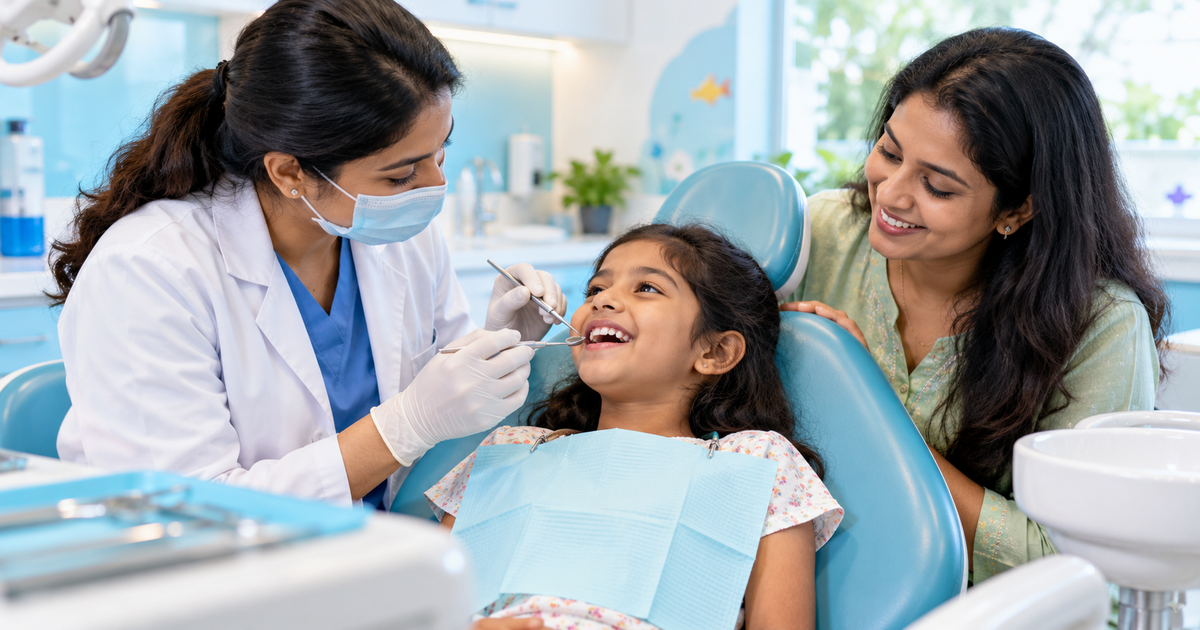
Children's Dental Checkup in Pondicherry – Complete Guide to Healthy Teeth for Kids
Healthy teeth are important for every child's growth, nutrition, speech development, and confidence. Establishing good dental habits early can help children avoid preventable cavities and maintain healthy smiles as they grow.
If you are looking for a **children's dental checkup in Pondicherry**, regular pediatric dental examinations can help monitor milk teeth, identify tooth decay, evaluate gum health, and guide parents on proper oral hygiene.
At **Smile and Glow Dental Care in Pondicherry**, families can enquire about pediatric dental consultations, preventive oral healthcare, cavity treatment, and age-appropriate dental services.
Whether your child is a toddler visiting the dentist for the first time or a school-going child with developing permanent teeth, professional dental examinations are an important part of maintaining oral health.
What Is a Children's Dental Checkup?
A children's dental checkup is a professional examination of a child's teeth, gums, mouth, and developing bite.
Unlike dental appointments that focus only on tooth pain, routine checkups help identify early oral health problems and assess dental development.
What Does a Kids' Dental Checkup Include?
Depending on the child's age and dental condition, an examination may include:
- Checking milk teeth and permanent teeth.
- Examining teeth for cavities.
- Assessing gum health.
- Monitoring tooth eruption and development.
- Evaluating bite alignment.
- Identifying broken or damaged teeth.
- Checking for plaque and tartar buildup.
- Assessing oral hygiene habits.
- Reviewing thumb-sucking and pacifier habits.
- Evaluating the risk of future cavities.
- Dental X-rays when clinically necessary.
- Providing preventive dental care recommendations.
Not every child requires every procedure during each appointment. The dentist selects appropriate assessments based on individual needs.
Why Are Regular Dental Checkups Important for Children?
Children's teeth require proper care from the moment they begin to appear.
Milk teeth play an important role in chewing, speech development, and maintaining space for permanent teeth.
Regular dental examinations can help identify problems before they become more complicated.
Benefits of Regular Children's Dental Checkups
- Helps detect cavities at an early stage.
- Supports healthy tooth development.
- Monitors gum and oral tissue health.
- Helps identify bite and alignment concerns.
- Supports good brushing and flossing habits.
- Provides guidance on preventive fluoride care.
- Helps parents understand oral health risks.
- Encourages children to become familiar with dental visits.
- Reduces the likelihood of untreated dental problems.
- Supports long-term dental health.
Routine dental care is valuable even when a child does not complain of tooth pain.
At What Age Should a Child First Visit the Dentist?
Children should generally have their first dental examination when their first tooth appears and no later than their first birthday.
Early dental visits allow the dentist to examine developing teeth and provide parents with preventive oral health guidance.
Why Is the First Dental Visit Important?
The first appointment may focus on:
- Checking newly erupted milk teeth.
- Assessing early signs of tooth decay.
- Evaluating oral growth and development.
- Discussing feeding habits.
- Explaining age-appropriate brushing.
- Reviewing fluoride exposure.
- Identifying harmful oral habits.
- Helping parents understand future dental care needs.
The first dental visit is usually a preventive appointment rather than an extensive treatment session.
Parents can learn more through the clinic's guide:
[First Dental Visit for Children in Pondicherry](https://smileandglowdentalcare.com/blog/pediatric-dentist-pondicherry-first-visit-guide)
How Often Should Children Get a Dental Checkup?
Many children benefit from dental examinations approximately every six months.
However, the ideal interval depends on their age, oral health condition, cavity risk, medical history, and individual needs.
Children Who May Need More Frequent Dental Visits
- Children with previous cavities.
- Children with a high risk of tooth decay.
- Children with orthodontic appliances.
- Children with certain medical conditions.
- Children who have difficulty maintaining oral hygiene.
- Children with recurring tooth pain or gum problems.
- Children with developmental or special healthcare needs.
The dentist should recommend the most suitable recall schedule after examining the child.
Common Dental Problems Identified During Children's Checkups
Children may experience several oral health problems as their milk teeth develop and permanent teeth begin to emerge.
1. Tooth Decay and Cavities
Tooth decay is one of the most common dental problems affecting children.
Cavities develop when acids produced by bacteria damage tooth enamel over time.
Frequent sugary snacks, sweetened beverages, inadequate brushing, and prolonged exposure to sugars can increase the risk of cavities.
Signs of Tooth Decay in Children
- White or brown spots on teeth.
- Visible holes or dark areas.
- Tooth sensitivity.
- Pain while chewing.
- Discomfort when eating sweet foods.
- Persistent toothache.
- Swelling around an affected tooth.
Early cavities may not cause pain, making regular dental examinations important.
2. Early Childhood Caries
Early childhood caries refers to tooth decay affecting young children, including infants and toddlers.
Frequent exposure to sugary drinks, poor oral hygiene, and other risk factors can contribute to the condition.
Parents should avoid putting children to sleep with bottles containing sugary liquids and should follow age-appropriate feeding and oral hygiene recommendations.
3. Misaligned or Crowded Teeth
As children's permanent teeth develop, dentists monitor tooth positioning and bite alignment.
Common concerns may include:
- Crowded teeth.
- Excessive spacing.
- Crossbite.
- Overbite.
- Underbite.
- Delayed tooth eruption.
- Teeth emerging in unusual positions.
Not every alignment issue requires immediate treatment.
A dental examination can help determine whether monitoring or orthodontic assessment is appropriate.
4. Gum Inflammation
Children can develop gingivitis when bacterial plaque accumulates along the gumline.
Possible signs include:
- Red gums.
- Bleeding while brushing.
- Swelling.
- Persistent bad breath.
- Gum tenderness.
Professional evaluation and improved oral hygiene may help manage plaque-related gum inflammation.
5. Dental Injuries
Children may experience dental injuries during sports, outdoor activities, or accidental falls.
A dental injury can affect milk teeth or permanent teeth.
Prompt evaluation is important when a tooth becomes chipped, loose, displaced, or knocked out.
6. Thumb-Sucking and Pacifier Habits
Thumb-sucking and pacifier use are common in young children.
However, prolonged or intense habits may affect developing teeth and bite alignment.
A dentist can assess whether the habit is causing dental changes and guide parents on appropriate management.
What Happens During a Children's Dental Checkup?
Understanding the examination process can help parents prepare their children for a dental appointment.
Step 1: Discussion With Parents
The dentist may ask about the child's medical history, dental concerns, brushing habits, diet, and previous dental treatment.
Parents should mention:
- Tooth pain or sensitivity.
- Previous cavities.
- Medical conditions.
- Current medications.
- Dental injuries.
- Thumb-sucking habits.
- Problems with brushing.
- Anxiety about dental treatment.
Step 2: Examination of Teeth and Gums
The dentist examines the visible teeth and gums for cavities, plaque, inflammation, or other abnormalities.
For very young children, the examination may be brief and adapted to their comfort and developmental stage.
Step 3: Assessment of Tooth Development
The dentist checks whether milk teeth and permanent teeth are developing and erupting as expected.
Bite alignment, spacing, and tooth positioning may also be evaluated.
Step 4: Cavity Risk Assessment
The dentist considers factors such as:
- Previous cavities.
- Brushing habits.
- Fluoride exposure.
- Frequency of sugary snacks.
- Oral hygiene quality.
- Medical or developmental conditions.
- Other individual risk factors.
This assessment helps guide preventive care.
Step 5: Dental X-Rays When Necessary
Dental X-rays may be recommended when clinical examination alone cannot provide sufficient information.
They can help assess certain cavities, developing teeth, and other dental concerns.
Not every child requires X-rays at every dental appointment.
Step 6: Preventive Dental Recommendations
After the examination, the dentist discusses findings with the parents and recommends suitable oral healthcare measures.
These may include brushing guidance, fluoride care, dental sealants, professional cleaning, or treatment of existing problems.
Preventive Dental Treatments for Children in Pondicherry
Preventive dentistry focuses on reducing the risk of cavities, gum problems, and other avoidable dental conditions.
Different preventive procedures may be recommended according to the child's age and oral health.
1. Professional Dental Cleaning
Professional cleaning helps remove dental deposits when needed.
Children with plaque or tartar accumulation may benefit from cleaning based on their dental condition.
The dentist determines whether routine cleaning is necessary.
2. Fluoride Varnish Treatment
Fluoride helps strengthen enamel and reduce the risk of tooth decay.
Fluoride varnish is a concentrated fluoride preparation applied professionally to tooth surfaces.
Benefits of Fluoride Varnish
- Helps protect tooth enamel.
- Supports cavity prevention.
- May benefit children at increased risk of decay.
- Can be applied during suitable preventive dental visits.
The need and frequency of fluoride varnish depend on the child's age, cavity risk, and fluoride exposure.
3. Dental Sealants for Children
Dental sealants are thin protective coatings applied to the grooves of certain teeth, commonly permanent molars.
The chewing surfaces of back teeth can have deep pits and grooves where food and plaque collect.
Benefits of Dental Sealants
- Help protect vulnerable chewing surfaces.
- Reduce cavity risk in suitable teeth.
- Provide a protective barrier over pits and fissures.
- Support long-term preventive dental care.
Sealants do not replace brushing, fluoride toothpaste, or regular dental examinations.
4. Oral Hygiene Education
Parents and children can receive guidance on:
- Correct brushing techniques.
- Suitable toothbrush selection.
- Age-appropriate fluoride toothpaste amounts.
- Flossing and interdental cleaning.
- Healthy snacking habits.
- Avoiding frequent sugary beverages.
- Proper dental care during tooth eruption.
Preventive treatments such as fluoride varnish and sealants should be confirmed with the clinic before booking.
Why Are Milk Teeth Important?
Some parents believe that milk teeth do not require treatment because they eventually fall out.
However, primary teeth serve several essential functions.
Importance of Healthy Milk Teeth
- Help children chew food comfortably.
- Support normal speech development.
- Maintain space for developing permanent teeth.
- Contribute to normal oral development.
- Support appearance and confidence.
- Help children establish healthy oral hygiene habits.
Untreated cavities in milk teeth can cause pain, infection, difficulty eating, and other complications.
A dentist can determine whether a damaged milk tooth requires a filling, pulp treatment, extraction, or another procedure.
Dental Checkups for Different Age Groups
Children's dental requirements change as they grow.
Dental Checkups for Babies and Toddlers
For infants and toddlers, dental visits generally focus on early tooth development and preventive guidance for parents.
The dentist may discuss feeding habits, brushing, fluoride use, and early cavity prevention.
Dental Checkups for Preschool Children
Preschool children may require assessment for cavities, oral habits, gum health, and developing bite patterns.
Dental visits also provide an opportunity to build familiarity with professional oral care.
Dental Checkups for School-Age Children
School-age children begin developing more permanent teeth.
Dental examinations may focus on:
- Eruption of permanent teeth.
- Tooth decay.
- Gum health.
- Dental sealant suitability.
- Oral hygiene.
- Bite development.
- Sports-related injury prevention.
Dental Checkups for Teenagers
Teenagers may experience orthodontic concerns, cavities, gum inflammation, and other dental issues.
Regular examinations can help monitor permanent teeth, orthodontic appliances, oral hygiene, and other relevant changes.
How to Prepare Your Child for Their First Dental Checkup
A positive introduction to dental care can help children feel more comfortable with future appointments.
Tips for Parents Before the Appointment
- Explain the visit using simple, positive language.
- Tell your child the dentist will count and examine their teeth.
- Avoid frightening descriptions of dental procedures.
- Do not threaten dental treatment as punishment.
- Choose an appointment time when your child is usually well rested.
- Bring relevant medical and dental information.
- Allow the dental team to guide the examination.
- Praise your child's cooperation afterward.
What If Your Child Is Afraid of the Dentist?
Dental anxiety is common among children.
Dentists may use age-appropriate explanations, gentle communication, and behavior guidance to support cooperation.
For children requiring complex treatment or those with significant anxiety, additional comfort measures may be considered after appropriate assessment.
Smile and Glow Dental Care describes pediatric conscious sedation among its available services. Sedation is not necessary for a routine dental checkup and requires individualized medical assessment, consent, trained supervision, and suitable monitoring.
Daily Dental Care Tips for Children
Good oral hygiene begins at home and should be supported by regular dental examinations.
Dental Care for Babies
- Clean your baby's gums gently using a soft, clean cloth.
- Begin toothbrushing when the first tooth appears.
- Use an age-appropriate soft toothbrush.
- Ask a dental professional about suitable fluoride use.
- Avoid frequent exposure to sugary drinks.
- Arrange the first dental examination by age one.
Dental Care for Children Under 3 Years
- Brush twice daily with fluoride toothpaste.
- Use only a smear approximately the size of a grain of rice.
- Parents should perform or closely assist with brushing.
- Keep toothpaste out of children's reach.
- Avoid allowing the child to swallow toothpaste unnecessarily.
Dental Care for Children Aged 3 to 6 Years
- Brush twice daily with fluoride toothpaste.
- Use a pea-sized amount.
- Supervise brushing.
- Teach children to spit out toothpaste.
- Assist with cleaning areas they cannot reach properly.
- Encourage healthy food and drink choices.
Dental Care for Older Children
- Continue brushing twice daily.
- Clean between teeth as appropriate.
- Limit frequent sugary snacks.
- Encourage water instead of frequent sweetened drinks.
- Wear a suitable mouthguard during contact sports.
- Follow the dentist's recommended checkup schedule.
Children may need assistance with brushing until they develop adequate manual skills, often around seven or eight years of age.
How Much Does a Children's Dental Checkup Cost in Pondicherry?
The cost of a children's dental checkup in Pondicherry depends on the type of consultation and whether additional examinations or procedures are needed.
Factors That May Affect Dental Checkup Cost
- Initial consultation.
- Child's dental condition.
- Need for diagnostic X-rays.
- Professional cleaning.
- Fluoride varnish treatment.
- Dental sealants.
- Cavity treatment.
- Additional pediatric dental procedures.
- Specialist consultations when required.
A routine dental examination and procedures such as fillings or sealants may have separate charges.
Parents should confirm consultation fees and treatment costs before proceeding.
How to Choose a Children's Dental Clinic in Pondicherry
Choosing a suitable dental clinic can help children receive age-appropriate care.
Important Factors to Consider
- Availability of children's dental examinations.
- Age-appropriate communication.
- Experience with developing teeth.
- Preventive dental guidance.
- Proper infection-control practices.
- Clear explanations for parents.
- Assessment before recommending treatment.
- Suitable management of dental anxiety.
- Convenient location for follow-up appointments.
- Transparent discussion of treatment charges.
Parents should also ask whether a pediatric dental specialist is available if their child requires complex or specialist treatment.
Why Consider Smile and Glow Dental Care for Kids' Dental Checkups in Pondicherry?
**Smile and Glow Dental Care, also known as SMILEKRAFT DENTAIRE**, provides multispeciality dental services in Puducherry, including pediatric dentistry.
The clinic lists children's dentistry and pediatric conscious sedation among its services.
Children's Dental Consultations
Parents can enquire about age-appropriate dental evaluations for cavities, developing teeth, oral hygiene, and other concerns.
Preventive Dental Care
Dental visits can help parents understand cavity prevention, brushing practices, and appropriate follow-up care.
Care for Dental Anxiety
The clinic describes pediatric behavior management and sedation options for suitable patients.
Parents should confirm which comfort measures are available and clinically appropriate for their child.
Additional Dental Treatment Options
Children who need fillings, pulp treatment, or other dental procedures can be evaluated to determine suitable care or referral.
Convenient Pondicherry Locations
The clinic lists two locations in central Puducherry, which may be convenient for families seeking dental consultations.
Children's Dental Checkup Near Bussy Street and Mission Street, Pondicherry
Parents searching for a **children's dentist near me in Pondicherry** can contact Smile and Glow Dental Care at its published locations.
Children's Dental Clinic Near Bussy Street, Pondicherry
**Address:**
146, Bussy Street, Opposite Chinnamani Kundu, Chinnakadai, Near MG Road Junction, Puducherry – 605001.
This location may be convenient for families travelling from Bussy Street, MG Road, Chinnakadai, and nearby central Puducherry areas.
Children's Dental Clinic Near Mission Street, Pondicherry
**Address:**
39, Aurobindo Street, Junction of Mission Street, Puducherry – 605001.
Families from Mission Street, Aurobindo Street, White Town, and surrounding neighborhoods can enquire about pediatric dental consultations.
Contact the clinic to confirm the appropriate branch, dentist availability, and appointment arrangements.
When Should Parents Seek Urgent Dental Care for a Child?
Do not wait for a routine checkup if your child experiences significant dental pain, injury, or swelling.
Dental Warning Signs That Need Prompt Attention
- Severe or persistent toothache.
- Facial or gum swelling.
- A broken tooth after an accident.
- A loose or displaced permanent tooth after trauma.
- A knocked-out tooth.
- Bleeding that does not stop.
- Fever associated with a suspected dental infection.
- Difficulty eating because of dental pain.
A knocked-out permanent tooth requires immediate emergency dental attention. A knocked-out milk tooth should not be replanted because doing so may damage the developing permanent tooth.
Difficulty breathing or swallowing, rapidly worsening facial swelling, or serious injuries require emergency medical care.
Frequently Asked Questions About Children's Dental Checkups in Pondicherry
At what age should a child first visit the dentist?
A child should generally have their first dental examination when the first tooth appears and no later than their first birthday. Early visits help identify dental concerns and guide parents on preventive care.
How often should children get dental checkups?
Many children benefit from dental examinations approximately every six months. However, the ideal interval depends on the child's age, cavity risk, oral hygiene, medical history, and individual needs.
Is a children's dental checkup painful?
A routine children's dental examination is generally not painful. It usually involves checking the teeth, gums, and developing bite. Some children may feel nervous, and dentists can use age-appropriate communication to help them feel comfortable.
Why do milk teeth need dental treatment?
Milk teeth help children chew, speak, and maintain space for permanent teeth. Untreated cavities can cause pain, infection, and difficulty eating, so damaged milk teeth should be professionally assessed.
What happens during a pediatric dental checkup?
The dentist examines the child's teeth, gums, and developing bite, checks for cavities, reviews oral hygiene habits, and recommends preventive care. X-rays or additional procedures are used only when clinically indicated.
Can fluoride treatment prevent cavities in children?
Fluoride helps strengthen tooth enamel and reduce cavity risk. Professional fluoride varnish may be recommended based on the child's age, fluoride exposure, and individual risk of tooth decay.
Are dental sealants useful for children?
Yes. Dental sealants can help protect vulnerable grooves on certain teeth, particularly permanent molars. A dentist determines whether sealants are appropriate for the child's teeth.
How much does a children's dental checkup cost in Pondicherry?
The cost depends on the consultation and whether additional procedures such as X-rays, cleaning, fluoride treatment, or fillings are needed. Parents should contact the clinic for current charges.
What should I do if my child is afraid of the dentist?
Explain the appointment positively, avoid frightening words, and inform the dentist about your child's anxiety. Age-appropriate communication and behavior guidance may help make the visit more comfortable.
Where can I book a children's dental checkup in Pondicherry?
Parents can contact Smile and Glow Dental Care in Puducherry to enquire about children's dental consultations at its Bussy Street or Mission Street locations. Appointment availability should be confirmed before visiting.
Book a Children's Dental Checkup in Pondicherry
Healthy dental habits begin early, and professional checkups help parents understand how to protect their children's developing teeth.
Whether your child needs a first dental examination, a cavity assessment, guidance about permanent teeth, or preventive oral care, a dental consultation can help determine the appropriate next steps.
At **Smile and Glow Dental Care in Pondicherry**, families can enquire about pediatric dental consultations and available children's dental services.
**Book an Appointment:** https://smileandglowdentalcare.com/book-dental-appointment-pondicherry
**Website:** https://smileandglowdentalcare.com/
**Contact Number:** +91 77082 35717
**Clinic Locations:** Bussy Street and Mission Street, Puducherry.
**Healthy Little Teeth, Happy Growing Smiles – Schedule Your Child's Dental Checkup in Pondicherry.**
*Medical Disclaimer: This article is intended for general dental health education and does not replace a professional dental examination, diagnosis, or personalized treatment advice. Parents should consult a qualified dentist for recommendations specific to their child's oral health.*