


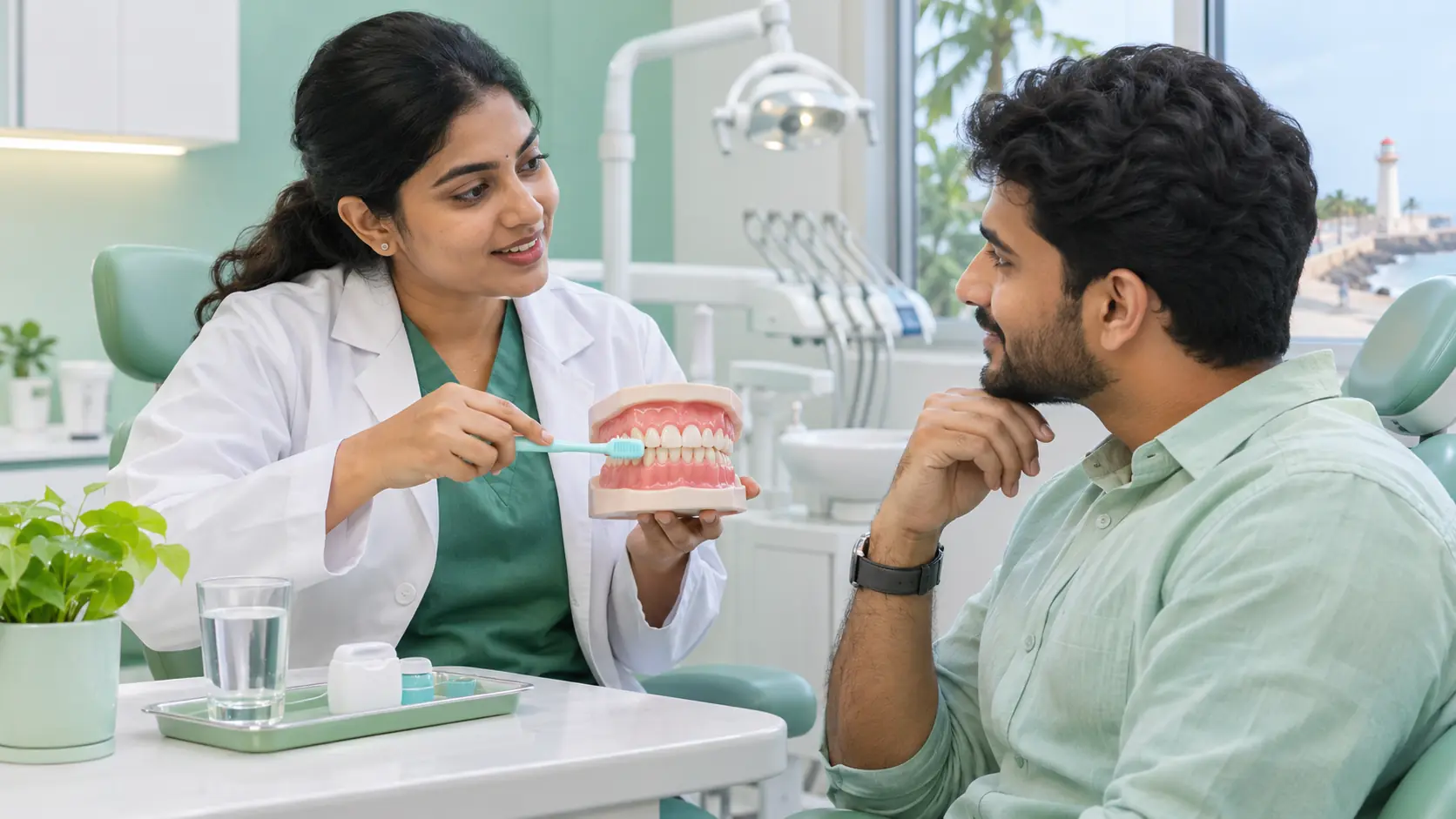
Dental Care for Bleeding Gums in Pondicherry
Bleeding while brushing or cleaning between the teeth is common, but it should not be ignored when it happens repeatedly. Persistent bleeding can be an early sign of gum inflammation or a more advanced condition affecting the tissues and bone supporting the teeth.
Dental care for bleeding gums in Pondicherry begins by identifying the cause. Treatment may range from improved oral hygiene and professional cleaning to deep cleaning or specialist periodontal care, depending on the severity of the condition.
At Smile & Glow Dental Care, the gums, teeth, plaque levels, gum pockets, medical history and contributing risk factors can be assessed before an individual treatment plan is recommended.
Quick Answer: How Are Bleeding Gums Treated?
Treatment depends on why the gums are bleeding. It may include:
- Professional dental cleaning
- Personalised brushing and interdental-cleaning instructions
- Scaling and root planing for deeper gum disease
- Treatment of tooth or gum infection
- Review of poorly fitting dental appliances
- Prescribed antimicrobial products when clinically appropriate
- Management of diabetes, tobacco use or other risk factors
- Periodontal surgery in selected advanced cases
- Coordination with a physician when medication or a medical condition may be contributing
Home remedies may temporarily soothe symptoms but cannot remove hardened tartar or replace a professional diagnosis.
Are Bleeding Gums Normal?
Healthy gums do not usually bleed repeatedly during gentle brushing or flossing. Occasional bleeding may occur after beginning a new interdental-cleaning routine or when brushing too forcefully, but persistent or spontaneous bleeding requires attention.
Gum disease can progress with little pain. Waiting until the gums hurt or teeth become loose may allow the condition to become more difficult to manage.
Arrange a dental examination if bleeding:
- Happens regularly
- Continues for more than several days
- Occurs without brushing or flossing
- Is accompanied by swelling or tenderness
- Appears along with bad breath
- Is associated with receding or loose teeth
- Does not improve despite careful oral hygiene
What Causes Bleeding Gums?
The most frequent cause is plaque accumulating along the gumline. Plaque contains bacteria that can irritate the gums and trigger inflammation.
If plaque is not removed, it can harden into tartar or calculus. Tartar cannot be removed with a normal toothbrush and requires professional dental cleaning.
Other possible causes include:
- Gingivitis
- Periodontitis
- Brushing with excessive pressure
- Incorrect flossing technique
- Beginning a new flossing routine
- Tooth or gum infection
- Pregnancy-related hormonal changes
- Poorly fitting dentures or appliances
- Smoking or tobacco use
- Diabetes
- Dry mouth
- Certain vitamin deficiencies
- Bleeding disorders
- Medicines that affect bleeding
- Medicines that contribute to gum enlargement
- Immune-system or other medical conditions
Because several dental and medical conditions can cause bleeding, persistent symptoms should not be diagnosed through appearance alone.
Gingivitis and Bleeding Gums
Gingivitis is the early stage of plaque-related gum disease. It affects the gum tissue without the bone loss associated with periodontitis.
Signs may include:
- Red gums
- Puffy or swollen gums
- Bleeding during brushing or flossing
- Tenderness
- Bad breath
- Plaque or tartar deposits
Plaque-related gingivitis can often be reversed with professional cleaning and consistent home care. Early treatment is important because untreated gingivitis may progress to periodontitis in susceptible individuals.
Can Gingivitis Be Treated at Home?
Improved brushing and interdental cleaning are essential, but professional care may still be necessary. Once plaque has hardened into tartar, it cannot be removed safely with a toothbrush, floss or home scraping tool.
A dentist can determine whether inflammation is limited to the gums or whether deeper periodontal damage has begun.
Periodontitis and Bleeding Gums
Periodontitis is a more advanced form of gum disease. It affects the gums, periodontal ligament and supporting bone around the teeth.
As the disease progresses, the gum can separate from the tooth and form a deeper pocket where bacteria accumulate. Bone and tissue support may gradually be lost.
Possible signs include:
- Frequent gum bleeding
- Gum recession
- Teeth appearing longer
- Persistent bad breath or bad taste
- Pus between a tooth and gum
- Pain while chewing
- Spaces developing between teeth
- Teeth shifting position
- Loose teeth
- Changes in the bite
Bone loss from periodontitis is not simply reversed by brushing. However, professional treatment and continued maintenance can control infection, slow progression and help retain affected teeth when treated appropriately.
Why Do Gums Bleed When Flossing?
Bleeding during flossing may occur when gums are already inflamed because plaque has accumulated between the teeth.
A small amount of bleeding may also happen when a person begins flossing after not cleaning between the teeth regularly. With gentle daily cleaning, inflammation-related bleeding may improve as the gums become healthier.
However, floss should not be snapped forcefully into the gums. If bleeding continues, becomes heavy or occurs with swelling, pain or recession, arrange a dental assessment.
The dentist can recommend a suitable cleaning method, which may include:
- Dental floss
- Interdental brushes
- Floss holders
- Water flossers
- Special cleaning aids for braces, bridges or implants
The appropriate option depends on the size of the spaces and the patient’s dental condition.
Can Brushing Too Hard Cause Bleeding Gums?
Yes. Aggressive brushing or using a hard-bristled toothbrush can injure the gum margin and contribute to recession or sensitivity.
Use a soft-bristled toothbrush and gentle, controlled movements. Effective plaque removal depends on technique and coverage rather than force.
Changing to a softer toothbrush may reduce traumatic bleeding, but it will not treat underlying gum disease. Persistent bleeding should still be examined.
Bleeding Gums During Pregnancy
Hormonal changes during pregnancy can increase the gums’ response to plaque, causing redness, swelling and bleeding. This is sometimes called pregnancy gingivitis.
Pregnant patients should continue gentle brushing and daily cleaning between the teeth. Dental examinations and preventive gum care are important during pregnancy.
Inform the dentist about:
- The pregnancy and expected delivery date
- Current medicines and supplements
- Medical conditions
- Advice received from the obstetrician
- Any gum swelling, pain or bleeding
Pregnancy itself does not mean bleeding gums should be ignored. A dentist can distinguish pregnancy-related inflammation from other gum conditions.
Diabetes and Bleeding Gums
People with diabetes may have an increased risk of gum disease, particularly when blood-glucose levels are not well controlled. Gum inflammation may also be more severe or slower to heal.
Patients with diabetes should tell their dentist about:
- The type of diabetes
- Current medicines
- Recent glucose control
- Episodes of low blood sugar
- Smoking or tobacco use
- Previous gum treatment
Dental treatment should be coordinated with medical care when necessary. Gum treatment does not replace diabetes management, and diabetes medicines should not be changed without medical advice.
Medicines and Bleeding Gums
Blood-thinning medicines and other drugs may contribute to prolonged gum bleeding. Some medicines can also cause gum enlargement, making plaque control more difficult.
Do not stop, reduce or change any prescribed medicine without consulting the doctor who prescribed it. The dentist can assess the gums and, when appropriate, communicate with the physician about treatment considerations.
Bring an updated list of prescription medicines, over-the-counter products and supplements to the dental appointment.
How Are Bleeding Gums Diagnosed?
A gum assessment may include:
- Review of symptoms and duration
- Medical and medication history
- Smoking or tobacco history
- Examination for plaque and tartar
- Assessment of gum colour, swelling and bleeding
- Measurement of the spaces around the teeth
- Evaluation of gum recession
- Checking whether teeth are loose or shifting
- Examination of the bite
- Dental X-rays when bone loss is suspected
A small periodontal probe may be used to measure the depth of gum pockets. Deeper pockets and bleeding during examination can indicate periodontal inflammation, although diagnosis is based on the complete clinical picture.
If the bleeding pattern suggests a possible medical cause, the dentist may recommend consultation with a physician and appropriate testing.
Dental Treatments for Bleeding Gums
Treatment is based on the diagnosis and severity of disease.
Professional Dental Cleaning
Professional cleaning removes plaque, tartar and surface deposits from areas that cannot be cleaned effectively at home.
It may be suitable when gum inflammation is in an early stage and no significant periodontal pocketing or bone loss is present.
After cleaning, the dentist may demonstrate:
- Correct brushing technique
- Cleaning along the gumline
- Flossing technique
- Selection and use of interdental brushes
- Cleaning around crowns, bridges or implants
- Care of removable dentures
The interval between future professional cleanings should be based on the patient’s gum condition and risk factors.
Scaling and Root Planing
Scaling and root planing, sometimes called deep cleaning, may be recommended when plaque and tartar extend below the gumline.
During this treatment:
- Deposits are removed from below the gumline
- Root surfaces are carefully cleaned
- Inflamed gum pockets are treated
- Local anaesthesia may be used for comfort
- Treatment may be divided into more than one visit
A follow-up evaluation is important to assess healing, bleeding and pocket depth. Some patients require ongoing periodontal-maintenance appointments after deep cleaning.
Antimicrobial Treatment
A dentist may recommend an antimicrobial mouth rinse, locally delivered medicine or another product in selected cases.
These products are supplements to mechanical plaque removal. They cannot replace brushing, interdental cleaning, scaling or other necessary periodontal treatment.
Antibiotics are not required for every case of bleeding gums and should not be taken without a prescription.
Gum Surgery
Advanced periodontitis may require surgical treatment when deep pockets, persistent infection, bone defects or difficult-to-clean areas remain after non-surgical care.
Possible periodontal procedures depend on the condition and may include:
- Pocket-reduction treatment
- Regenerative procedures in selected bone defects
- Gum-graft treatment for suitable recession cases
- Extraction of teeth that cannot be predictably retained
The dentist or periodontist will explain the expected benefits, limitations, recovery and alternative options before treatment.
What Can You Do at Home?
Daily home care supports professional treatment and helps prevent recurrence.
Brush Twice Daily
Brush twice a day with fluoride toothpaste and a soft-bristled toothbrush. Clean every surface, including the gumline, without applying excessive pressure.
After brushing, spit out the toothpaste. Avoid rinsing immediately with large amounts of water, as this removes fluoride from the teeth.
Clean Between Teeth Daily
Use floss, interdental brushes or another dentist-recommended aid to clean areas a toothbrush cannot reach.
If the gums bleed slightly, do not automatically stop gentle cleaning. Persistent or heavy bleeding, however, needs professional assessment.
Reduce Tobacco Exposure
Smoking and other tobacco use increase the risk and severity of gum disease. Tobacco can also delay healing and reduce treatment success.
Ask a healthcare professional for support with quitting rather than relying on unverified remedies.
Manage Relevant Health Conditions
Follow medical advice for diabetes and other chronic conditions. Tell the dentist about any changes in health, medicines or pregnancy.
Attend Dental Reviews
Gum disease can return if plaque and tartar accumulate again. Attend review and maintenance visits at the interval recommended for your condition.
Should You Use Salt Water or Mouthwash?
A dentist may recommend a suitable rinse for short-term use in selected situations. However, salt water or over-the-counter mouthwash does not remove tartar or treat periodontal bone loss.
Strong, frequent or inappropriate rinses may irritate oral tissues. Mouthwash should not be used to postpone a dental examination.
Avoid applying aspirin, undiluted antiseptics, tobacco products, powders or caustic substances directly to bleeding gums.
Foods and Habits That Support Gum Health
A balanced diet supports general and oral health. Helpful habits include:
- Eating a varied diet with adequate nutrients
- Drinking sufficient water
- Limiting frequent sugary snacks and drinks
- Avoiding smoking and chewing tobacco
- Cleaning dentures and dental appliances properly
- Replacing a worn toothbrush
- Avoiding forceful brushing or home tartar scraping
Vitamin supplements should not be used to self-treat persistent bleeding unless a qualified healthcare professional has identified a deficiency.
When Do Bleeding Gums Need Urgent Care?
Arrange prompt dental care if bleeding is accompanied by:
- Very painful or rapidly increasing gum swelling
- Pus or a gum abscess
- Loose permanent teeth
- Severe pain while chewing
- Facial swelling
- Fever or feeling significantly unwell
- Persistent mouth ulcers or red or white patches
- A lump in the mouth or on the lip
- Bleeding that is heavy or difficult to stop
- Unexplained bruising or bleeding elsewhere in the body
Difficulty breathing or swallowing, rapidly spreading facial swelling or uncontrolled bleeding requires urgent medical attention.
How Much Does Bleeding-Gum Treatment Cost in Pondicherry?
The cost depends on the diagnosis and extent of treatment required.
Factors may include:
- Gum examination and X-rays
- Amount of plaque and tartar
- Routine cleaning or deep cleaning
- Number of areas requiring treatment
- Medication when clinically necessary
- Periodontal surgery
- Specialist involvement
- Maintenance appointments
A professional cleaning and advanced periodontal treatment are different procedures. An accurate estimate can be given only after the gums and supporting bone have been examined.
Bleeding-Gum Care at Smile & Glow Dental Care
Smile & Glow Dental Care provides gum assessment and personalised treatment planning in Pondicherry.
Depending on the findings, care may include:
- Complete gum examination
- Plaque and tartar assessment
- Periodontal pocket measurement
- Professional scaling
- Deep cleaning when indicated
- Oral-hygiene guidance
- Review of medical and lifestyle risk factors
- Periodontal maintenance planning
- Referral for specialist treatment when required
The objective is to identify the cause of bleeding, control inflammation and protect the tissues supporting the teeth.
Frequently Asked Questions
Why Do My Gums Bleed When I Brush?
Bleeding during brushing commonly occurs when plaque has caused gum inflammation. Brushing too forcefully can also injure the gums. Persistent bleeding should be examined to rule out gingivitis, periodontitis or another condition.
Can Bleeding Gums Heal on Their Own?
Minor irritation may settle, but repeated bleeding caused by plaque, tartar or gum disease usually requires improved home care and professional assessment. Hardened tartar cannot be removed with brushing alone.
Should I Stop Flossing If My Gums Bleed?
Do not automatically stop gentle interdental cleaning. Inflamed gums may bleed initially, but daily plaque removal can help them become healthier. Seek dental advice if bleeding persists, becomes heavy or is associated with pain or swelling.
Can Mouthwash Cure Bleeding Gums?
No. Mouthwash may be recommended as an additional measure in selected cases, but it cannot remove tartar or replace professional cleaning, brushing and interdental care.
Are Bleeding Gums a Sign of Gum Disease?
They can be. Bleeding gums are a common sign of gingivitis and periodontitis, although brushing trauma, pregnancy, medicines and medical conditions may also contribute.
Is Gingivitis Reversible?
Plaque-related gingivitis can often be reversed through professional cleaning and consistent brushing and interdental cleaning. Once gum disease has caused supporting bone loss, ongoing professional management is required.
Can Diabetes Cause Bleeding Gums?
Diabetes can increase the risk and severity of gum disease, especially when blood-glucose levels are not well controlled. Patients with diabetes should maintain regular dental and medical care.
When Should I See a Dentist for Bleeding Gums?
Arrange a dental appointment when bleeding is frequent, persists for several days, occurs spontaneously or is accompanied by swelling, pain, bad breath, recession, pus or loose teeth.
Book a Gum-Care Appointment in Pondicherry
If your gums bleed regularly while brushing, flossing or eating, schedule an assessment at Smile & Glow Dental Care in Pondicherry.
Early examination can determine whether the bleeding is caused by simple gingivitis, deeper periodontal disease, brushing trauma, medication or another health factor. Timely treatment can help control inflammation and protect the supporting tissues around your teeth.
This article provides general educational information and does not replace a dental examination, diagnosis or personalised advice from a qualified dentist or healthcare professional.