


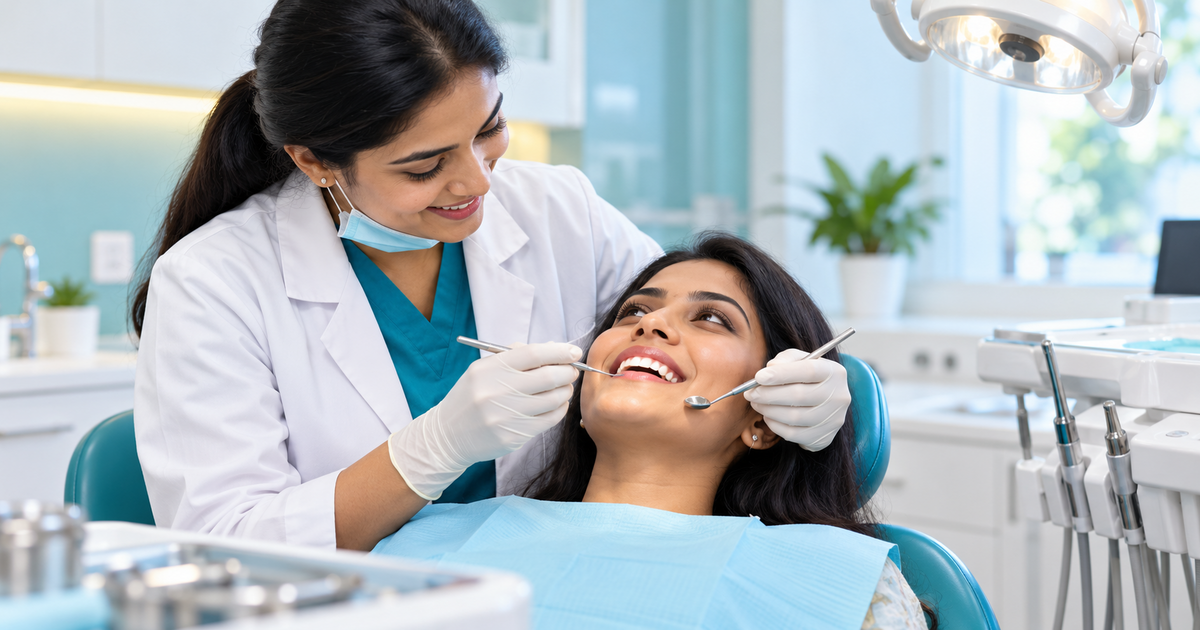
Painless Dental Treatment in Pondicherry – Comfortable Dental Care for a Healthier Smile
Are you afraid of visiting the dentist because of pain or discomfort? Dental anxiety is common among children and adults, especially those who have experienced uncomfortable dental procedures in the past. Fortunately, modern dentistry offers several techniques to reduce pain, manage anxiety, and make dental treatment more comfortable.
If you are searching for **painless dental treatment in Pondicherry**, understanding the available pain-management techniques can help you approach your appointment with greater confidence.
At **Smile and Glow Dental Care in Puducherry**, patients can explore modern dental treatments, including root canal therapy, laser dentistry, digital dentistry, tooth extractions, and restorative procedures. Treatment planning considers oral health conditions, patient comfort, and individual medical needs.
While no dental procedure can be guaranteed to be completely pain-free, appropriate anesthesia, careful techniques, and communication can significantly reduce discomfort for many patients.
What Is Painless Dental Treatment?
Painless dental treatment is a commonly used term for dental procedures performed with techniques intended to minimize pain and discomfort.
Modern dentists use local anesthesia, suitable instruments, careful treatment planning, and other pain-management methods to make procedures more comfortable.
How Does Modern Dentistry Reduce Pain?
Dental professionals may use several approaches depending on the procedure and patient requirements:
- **Local Anesthesia:** Temporarily numbs the treatment area to reduce pain.
- **Topical Anesthetic Gel:** May help reduce discomfort before certain injections.
- **Gentle Treatment Techniques:** Careful handling of teeth and oral tissues can limit unnecessary irritation.
- **Digital Dental Technology:** Supports diagnosis and treatment planning.
- **Laser Dentistry:** May reduce discomfort during certain suitable dental procedures.
- **Patient Communication:** Helps patients understand each step and report discomfort.
- **Sedation When Appropriate:** May help selected anxious patients relax under suitable professional supervision.
The dentist determines which techniques are appropriate based on the patient's dental condition, medical history, and treatment requirements.
Why Are People Afraid of Dental Treatment?
Dental anxiety can develop for several reasons. Some patients worry about injections, dental instruments, unfamiliar sounds, or the possibility of experiencing pain.
Others may have had difficult dental experiences in childhood or delayed treatment because of embarrassment about their oral health.
Common Causes of Dental Anxiety
- Fear of pain during dental procedures.
- Previous uncomfortable dental experiences.
- Anxiety about injections.
- Fear of tooth extraction.
- Sensitivity to dental sounds and vibrations.
- Concern about losing control during treatment.
- Uncertainty about treatment duration or costs.
- Worry about the condition of damaged teeth.
Dental anxiety should be discussed openly with the dental team.
A clear explanation of the procedure, agreed pause signals, and suitable comfort measures may help patients feel more confident.
Dental Treatments That Can Be Performed With Pain-Management Techniques
Several common dental treatments can be carried out using local anesthesia or other appropriate methods to improve patient comfort.
1. Root Canal Treatment in Pondicherry
Root canal treatment is a procedure used to treat inflammation or infection inside a tooth.
It is often recommended when the dental pulp becomes infected or severely damaged.
Many people associate root canal treatment with significant pain. However, local anesthesia is commonly used to numb the treatment area during the procedure.
What Happens During Root Canal Treatment?
- The dentist examines the affected tooth.
- Dental X-rays may be taken when necessary.
- Local anesthesia is administered when appropriate.
- The affected pulp tissue is removed.
- Root canals are cleaned and disinfected.
- The canals are filled and sealed.
- A suitable restoration is recommended.
Patients may feel pressure or vibration during treatment, but sharp pain should be reported immediately.
Some tenderness may occur after treatment, particularly when the tooth was previously inflamed or infected.
Smile and Glow Dental Care offers root canal and endodontic treatments, including single-sitting treatment for suitable cases.
2. Tooth Extraction With Local Anesthesia
Tooth extraction may be recommended when a tooth cannot be preserved because of severe decay, damage, infection, or other dental conditions.
Before extraction, the dentist generally administers local anesthesia to numb the surrounding area.
What Can Patients Expect?
- The dentist evaluates the tooth and surrounding structures.
- Local anesthesia is administered.
- Adequate numbness is checked before extraction.
- The tooth is carefully removed.
- Aftercare instructions are provided.
Patients may experience pressure or movement during the procedure even when the area is numb.
Soreness and swelling can occur after extraction. Their severity depends on the procedure and individual healing.
3. Dental Fillings and Cavity Treatment
Dental fillings are used to restore teeth damaged by cavities or minor fractures.
Small, shallow cavities may sometimes be treated without injections, while deeper cavities may require local anesthesia.
The dentist considers the depth of decay and the patient's sensitivity before choosing an appropriate approach.
Early cavity detection may reduce the need for more extensive treatment.
4. Laser Dental Treatment in Pondicherry
Laser dentistry uses focused light energy for certain procedures involving oral tissues.
Depending on the type of laser and clinical application, it may offer benefits such as precise tissue treatment and reduced bleeding or discomfort in selected procedures.
Potential applications include:
- Certain gum treatments.
- Selected soft-tissue procedures.
- Gum depigmentation.
- Some minor oral tissue procedures.
- Other clinically appropriate dental applications.
Laser treatment is not suitable for every dental condition and does not eliminate the need for anesthesia in all cases.
Smile and Glow Dental Care lists laser dental treatment among its services in Puducherry.
5. Professional Teeth Cleaning and Scaling
Professional teeth cleaning helps remove plaque and hardened tartar deposits.
Routine scaling is often well tolerated, although patients with sensitive teeth, exposed roots, or inflamed gums may experience discomfort.
The dentist may recommend suitable comfort measures depending on the gum condition and treatment requirements.
6. Dental Crowns and Bridges
Dental crowns are used to restore damaged or weakened teeth, while bridges may replace certain missing teeth.
Preparation of a tooth for a crown may involve local anesthesia, depending on the tooth's condition and the procedure.
Digital planning and suitable restorative techniques can help dentists design accurate restorations.
7. Dental Implants
Dental implants are used to replace missing teeth by placing an artificial tooth root into the jawbone.
Implant placement is generally performed using appropriate anesthesia.
Patients may experience soreness, swelling, or tenderness during recovery.
Implant suitability depends on bone availability, oral health, medical conditions, and other individual factors.
What Is the Role of Local Anesthesia in Dental Treatment?
Local anesthesia is one of the most important methods used to control pain during many dental procedures.
It temporarily blocks pain signals from nerves in the treatment area while allowing the patient to remain awake.
What Happens After Local Anesthesia?
- The dentist administers the anesthetic.
- The surrounding tissues gradually become numb.
- The dentist checks whether sufficient numbness has developed.
- Treatment begins when the area is adequately anesthetized.
- The numbness gradually wears off after the procedure.
Patients may still notice pressure, movement, or vibration during certain treatments.
If sharp pain occurs, they should inform the dentist immediately so the treatment can be paused and the anesthesia reassessed.
Is Local Anesthesia Safe?
Local anesthesia is generally safe when administered appropriately by trained healthcare professionals.
However, dentists should consider medical conditions, allergies, medications, and previous reactions before selecting an anesthetic.
Patients should provide accurate medical information during their consultation.
How Can Dentists Help Patients With Dental Anxiety?
A comfortable dental experience depends on more than anesthesia.
Communication, understanding patient concerns, and choosing suitable treatment techniques are also important.
Clear Explanation Before Treatment
Patients should understand the purpose of the procedure, what sensations they might experience, and the expected recovery.
Agreed Stop Signals
Patients can discuss a hand signal with the dentist to indicate when they need a pause.
This helps improve communication during treatment.
Short Breaks During Procedures
For some anxious patients, brief pauses may make longer appointments easier to tolerate.
Relaxation and Breathing Techniques
Slow breathing, relaxation exercises, and other anxiety-management strategies may help some patients feel calmer.
Sedation for Selected Patients
Sedation may be considered for some patients with significant dental anxiety or for certain complex procedures.
Sedation and local anesthesia serve different purposes. Sedation primarily helps patients relax, while local anesthesia controls pain in the treated area.
Smile and Glow Dental Care describes sedation options for selected oral surgical procedures. Patients should confirm availability, medical suitability, monitoring arrangements, and any additional charges before booking.
Is Painless Root Canal Treatment Really Possible?
Modern root canal procedures are typically performed using local anesthesia to minimize pain during treatment.
However, the experience can vary depending on factors such as:
- Severity of inflammation or infection.
- Condition of the affected tooth.
- Effectiveness of anesthesia.
- Complexity of the root canal system.
- Individual pain sensitivity.
- Presence of swelling or existing dental pain.
In some inflamed teeth, achieving complete numbness may be more challenging.
The dentist may need to modify the anesthetic approach or treatment plan.
Root canal treatment should focus on relieving the underlying dental problem while maintaining patient comfort and safety.
What Should You Do Before a Dental Appointment?
Preparing for dental treatment can make the experience easier.
Before Your Dental Visit
- Tell the dentist if you are afraid of injections or dental pain.
- Explain any previous uncomfortable dental experiences.
- Share details of your current medications.
- Inform the dentist about allergies or medical conditions.
- Ask whether local anesthesia will be used.
- Discuss what sensations to expect.
- Ask about recovery time and aftercare.
- Request an explanation of the treatment cost.
Avoid stopping prescribed medications without guidance from your treating doctor.
If sedation is planned, follow the specific preparation instructions provided by the dental team.
What to Expect After Dental Treatment
Recovery depends on the procedure performed, the complexity of treatment, and individual healing.
Common Temporary Symptoms
Some patients may experience:
- Mild soreness around the treated area.
- Temporary sensitivity.
- Numbness for a few hours after local anesthesia.
- Minor swelling following surgical procedures.
- Discomfort while chewing after certain treatments.
These symptoms do not occur with every procedure.
Tips for Comfortable Recovery
- Follow the dentist's written aftercare instructions.
- Take prescribed medication only as directed.
- Avoid chewing on numb tissues until sensation returns.
- Eat suitable foods recommended after treatment.
- Maintain appropriate oral hygiene.
- Avoid smoking or tobacco use.
- Attend follow-up appointments when advised.
- Contact the dentist if pain worsens or unexpected symptoms develop.
Severe facial swelling, difficulty swallowing or breathing, uncontrolled bleeding, or rapidly worsening symptoms require urgent medical attention.
Is Painless Dental Treatment Suitable for Children?
Children may feel anxious about dental appointments, especially when they are unfamiliar with dental instruments.
Pediatric dental care aims to build trust, explain procedures in age-appropriate language, and select suitable pain-management methods when necessary.
Approaches That May Help Children
- Gentle communication.
- Age-appropriate explanations.
- Positive behavioral guidance.
- Appropriate local anesthesia.
- Short and manageable appointments when practical.
- Parent or caregiver involvement when suitable.
- Sedation only when clinically indicated and safely available.
Not every child requires anesthesia or sedation.
The dentist should assess the child's needs and explain the proposed approach to the parent or caregiver.
Can Senior Citizens Receive Comfortable Dental Treatment?
Many senior citizens can undergo dental procedures using local anesthesia and individualized treatment planning.
Older adults may require special consideration because of medical conditions, medications, gum recession, tooth loss, or existing dental restorations.
Important Considerations for Elderly Patients
- Current medical conditions.
- Blood pressure and cardiovascular health.
- Diabetes management.
- Blood-thinning medications.
- Previous reactions to anesthesia.
- Gum and bone health.
- Mobility and appointment comfort.
- Individual treatment preferences.
A dentist may coordinate with the patient's physician when additional precautions are needed.
Age alone does not determine whether a person can receive dental treatment.
How Much Does Painless Dental Treatment Cost in Pondicherry?
The cost of dental treatment in Pondicherry depends on the procedure, complexity, materials used, and individual clinical requirements.
Factors Affecting Dental Treatment Costs
- Type of dental procedure.
- Condition of the affected tooth.
- Diagnostic imaging requirements.
- Need for local anesthesia or other comfort measures.
- Complexity of root canal or surgical treatment.
- Use of specialized technology when appropriate.
- Number of visits required.
- Additional restorative procedures.
There is no single price for every procedure described as painless dental treatment.
Patients should request a personalized treatment plan and confirm the expected fees before proceeding.
Why Choose Smile and Glow Dental Care for Comfortable Dental Treatment in Pondicherry?
**Smile and Glow Dental Care, also known as SMILEKRAFT DENTAIRE**, provides multispeciality dental services in Puducherry.
The clinic is co-founded by **Dr. Prasanna Kumar, an Endodontist, and Dr. Sruthi, an Oral Pathologist**.
Its published treatment options include root canal therapy, digital dentistry, laser dental treatment, dental crowns, oral surgery, dental implants, and other restorative and cosmetic procedures.
Endodontic and Root Canal Expertise
Root canal and endodontic services are available for patients experiencing tooth pulp inflammation, infection, or conditions requiring tooth preservation.
Digital and Microscope-Assisted Dentistry
The clinic describes the use of digital and microscope-assisted dental techniques for suitable cases.
These technologies can support detailed examination, planning, and precision during selected procedures.
Laser Dental Services
Laser dentistry is included among the clinic's treatment options for appropriate dental applications.
Individualized Treatment Planning
A dental consultation helps determine which treatment and pain-management methods are suitable for the patient's specific oral condition.
Focus on Patient Communication
Patients can discuss their concerns, ask questions about anesthesia, and understand expected sensations before treatment.
Painless Dental Treatment Near Bussy Street and Mission Street, Pondicherry
If you are searching for a **comfortable dental clinic near you in Pondicherry**, Smile and Glow Dental Care lists two locations in central Puducherry.
Dental Clinic Near Bussy Street, Pondicherry
**Address:**
146, Bussy Street, Opposite Chinnamani Kundu, Chinnakadai, Near MG Road Junction, Puducherry – 605001.
This location may be convenient for patients travelling from Bussy Street, MG Road, Chinnakadai, and surrounding areas.
Dental Clinic Near Mission Street, Pondicherry
**Address:**
39, Aurobindo Street, Junction of Mission Street, Puducherry – 605001.
This location may be convenient for patients around Mission Street, Aurobindo Street, White Town, and nearby neighborhoods.
Patients should confirm the appropriate branch and treatment availability before visiting.
Frequently Asked Questions About Painless Dental Treatment in Pondicherry
What is painless dental treatment?
Painless dental treatment refers to dental care using techniques intended to minimize pain and discomfort. Depending on the procedure, dentists may use local anesthesia, gentle techniques, and other pain-management methods. Completely pain-free treatment cannot be guaranteed for every patient.
Is root canal treatment painful?
Modern root canal treatment is generally performed using local anesthesia to numb the area. Patients may experience pressure during treatment and temporary tenderness afterward. Inform the dentist immediately if you experience sharp pain.
Can tooth extraction be done without pain?
Tooth extraction is commonly performed under local anesthesia, which helps prevent pain during the procedure. Patients may feel pressure or movement. Temporary soreness and swelling can occur during recovery.
Is laser dental treatment completely painless?
No. Laser dentistry may reduce discomfort during certain suitable procedures, but it is not guaranteed to be painless. Some treatments still require local anesthesia.
Is local anesthesia safe for dental treatment?
Local anesthesia is generally safe when administered appropriately. The dentist should review medical conditions, medications, allergies, and previous reactions before treatment.
Can patients with dental anxiety receive treatment?
Yes. Patients with dental anxiety can discuss comfort measures such as clear explanations, agreed stop signals, breaks, and appropriate anesthesia. Sedation may be considered in selected cases after professional assessment.
Is painless dental treatment available for children?
Children can receive dental treatment using age-appropriate communication, behavioral guidance, and suitable pain-control techniques when necessary. The approach depends on the child's age, medical history, and treatment needs.
How long does dental numbness last?
The duration varies according to the anesthetic, dose, location, and individual response. Numbness commonly lasts for several hours. Patients should avoid accidentally biting numb lips, cheeks, or tongues.
How much does painless dental treatment cost in Pondicherry?
The cost depends on the treatment required, its complexity, anesthesia needs, and any additional procedures. Contact the clinic for an examination and personalized fee estimate.
Where can I find painless dental treatment in Pondicherry?
Smile and Glow Dental Care provides dental treatments using modern techniques at its Puducherry locations. Patients can contact the clinic to discuss the available pain-management options and suitable dental procedures.
Book a Dental Consultation in Pondicherry
Fear of dental pain should not prevent you from seeking professional care for toothache, cavities, gum disease, or other oral health concerns.
Modern dental techniques and suitable anesthesia can help make many procedures more comfortable.
At **Smile and Glow Dental Care in Pondicherry**, patients can enquire about available dental treatment options and discuss pain-management methods before their appointments.
**Website:** https://smileandglowdentalcare.com/
**Contact Number:** +91 77082 35717
**Clinic Locations:** Bussy Street and Mission Street, Puducherry.
**Take the First Step Toward Comfortable Dental Care – Book Your Consultation Today.**
*Medical Disclaimer: This article is for general educational purposes. Dental treatment comfort, anesthesia requirements, risks, and recovery vary between patients. Consult a qualified dental professional for individualized advice.*