


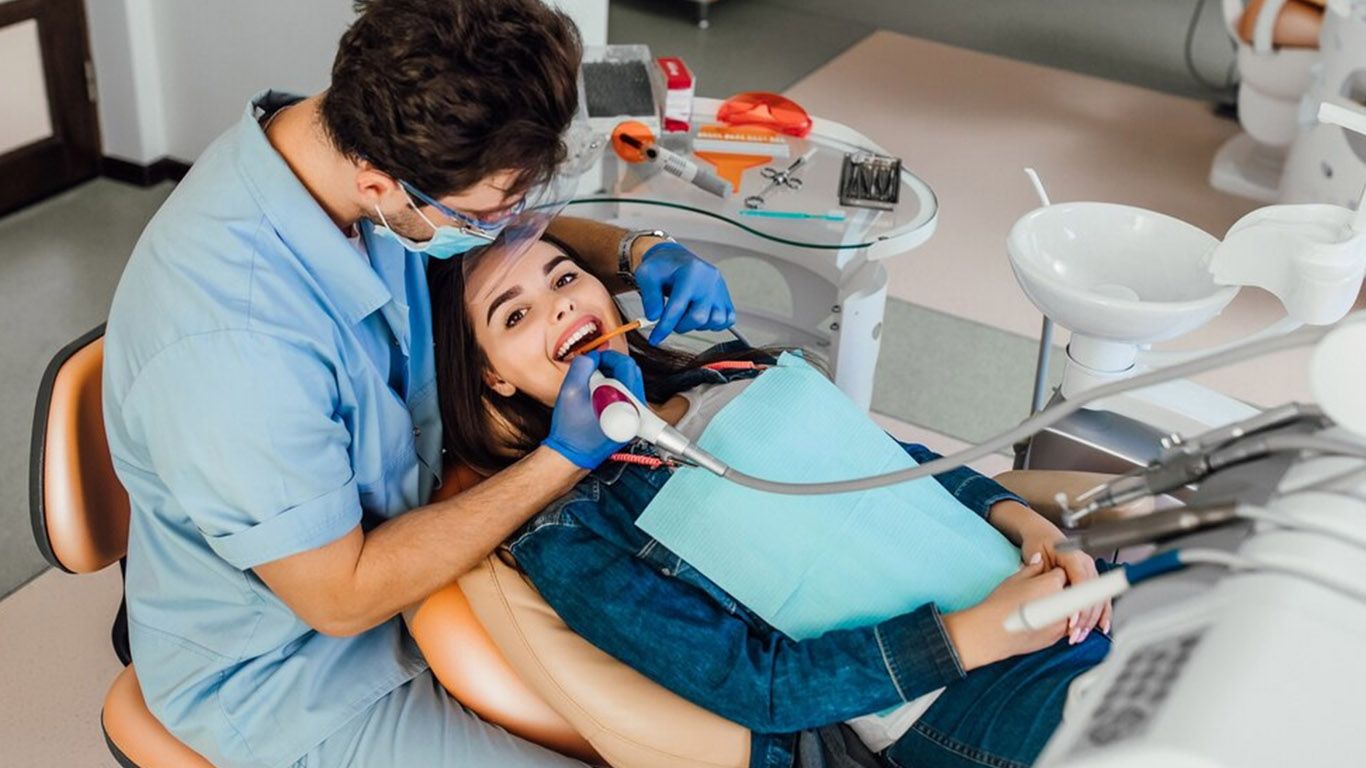
Pediatric Dentist in Pondicherry for Gentle Children’s Dental Care
Healthy dental habits established during childhood can play an important role in maintaining oral health as children grow.
Children can experience cavities, tooth pain, dental injuries, gum problems, early tooth loss, developing bite concerns, and anxiety about dental visits.
Pediatric dental care focuses on addressing these needs in an age-appropriate and child-friendly way.
Smile and Glow Dental Care provides pediatric dental care in Pondicherry (Puducherry), with an emphasis on making dental visits comfortable and helping parents understand their child's oral health needs.
From routine dental checkups to managing cavities and unexpected tooth problems, early professional care can help identify concerns before they become more complicated.
What Is Pediatric Dentistry?
Pediatric dentistry focuses on the oral health needs of infants, children, and adolescents.
Children's mouths continually change as baby teeth erupt, permanent teeth develop, jaws grow, and bite relationships change.
Pediatric dental care can therefore involve:
- Routine dental examinations
- Cavity prevention
- Tooth decay treatment
- Dental cleaning
- Oral hygiene guidance
- Dietary guidance
- Monitoring tooth eruption
- Managing dental injuries
- Evaluating tooth pain
- Monitoring developing bites
- Managing dental anxiety
- Preventive dental treatment
- Parent education
The exact care required depends on the child's age, oral health, dental development, and individual needs.
Why Is Children's Dental Care Important?
Baby teeth are temporary, but they still perform important functions.
They help children:
- Chew food
- Develop speech
- Maintain space for permanent teeth
- Support normal dental development
- Smile and interact confidently
Untreated dental problems in baby teeth can cause pain, infection, difficulty eating, and other complications.
Regular dental care allows potential problems to be identified and managed appropriately.
When Should My Child Visit a Dentist?
Children benefit from early dental assessment rather than waiting until they develop tooth pain.
Early visits allow parents to receive guidance about:
- Tooth brushing
- Fluoride use
- Diet
- Bottle and feeding habits
- Tooth eruption
- Cavity prevention
- Oral habits
- Dental development
The dentist can recommend an appropriate follow-up schedule based on the child's individual risk and oral health.
What Happens During a Child’s Dental Visit?
A pediatric dental appointment may vary according to the child's age and reason for visiting.
Getting Comfortable
For young or anxious children, the dental team may first help the child become familiar with the environment.
Oral Examination
The dentist examines the teeth, gums, and other oral structures.
Tooth Development Check
The eruption and development of baby or permanent teeth may be assessed.
Cavity Assessment
The dentist checks for signs of tooth decay or other dental problems.
Oral Hygiene Review
Parents and children can receive age-appropriate advice about brushing and cleaning.
Treatment Planning
If a problem is found, suitable treatment options are explained to the parent or caregiver.
The goal is to make dental care understandable and manageable for both the child and family.
Child-Friendly Dental Care in Pondicherry
Some children are naturally comfortable at the dentist, while others may feel nervous or frightened.
A child-focused dental approach can use communication and behavior-management techniques to make the experience easier.
Depending on the child's age and needs, this may include:
- Simple explanations
- Positive communication
- Familiarization with dental instruments
- Gradual introduction to treatment
- Parent involvement when appropriate
- Short and manageable appointments
- Encouragement and reassurance
Every child responds differently, so the approach should be adapted to the individual.
Dental Anxiety in Children
Fear of the dentist is common among children.
Anxiety may be related to:
- An unfamiliar environment
- Previous dental experiences
- Fear of discomfort
- Dental sounds
- Seeing unfamiliar equipment
- Stories heard from others
Parents can help by using calm and neutral language before the appointment.
Avoid frightening phrases or describing negative dental experiences in front of the child.
If your child is particularly anxious, inform the dental team before treatment so the visit can be planned appropriately.
Cavities in Children
Dental cavities are a common oral health concern during childhood.
Tooth decay develops when oral bacteria interact with sugars and other fermentable carbohydrates, contributing to acid production that can damage tooth structure over time.
Risk can be influenced by:
- Frequent sugary snacks
- Sugary drinks
- Inadequate brushing
- Plaque accumulation
- Frequent snacking
- Individual dental factors
- Inadequate preventive care
Early cavities may not always cause obvious pain.
Regular dental examinations can therefore be important even when a child appears comfortable.
Signs Your Child May Have a Cavity
Possible signs can include:
- Tooth sensitivity
- Toothache
- Pain while chewing
- Visible dark or white spots
- A visible hole in a tooth
- Food repeatedly getting stuck
- Avoiding food on one side
- Complaints when eating sweet foods
- Swelling in more advanced cases
These symptoms can have different causes, so a dental examination is needed for diagnosis.
Does a Cavity in a Baby Tooth Need Treatment?
Parents sometimes assume that a decayed baby tooth can simply be ignored because it will eventually fall out.
That is not always appropriate.
Depending on the child's age, tooth involved, severity of decay, symptoms, and expected time before natural shedding, treatment may be recommended.
Untreated decay can potentially progress and cause:
- Pain
- Infection
- Difficulty eating
- Sleep disturbance
- Premature loss of the tooth
The dentist can determine the appropriate management after examination.
Toothache in Children
A child complaining of tooth pain should not automatically be assumed to have a cavity.
Possible causes can include:
- Tooth decay
- Food trapped between teeth
- Gum irritation
- Dental injury
- Erupting teeth
- Cracked teeth
- Dental infection
- Other oral conditions
Persistent, recurrent, or significant tooth pain should be professionally evaluated.
Swollen Face or Dental Infection in a Child
Facial or gum swelling associated with a painful tooth can indicate a dental infection or another condition requiring prompt assessment.
Seek urgent professional care when swelling is significant or worsening.
If a child develops facial swelling together with difficulty breathing or swallowing, seek emergency medical care immediately.
Preventive Dentistry for Children
Prevention is an important part of pediatric dental care.
Preventive strategies may include:
- Regular dental examinations
- Appropriate tooth brushing
- Fluoride toothpaste
- Professional cleaning when required
- Dietary guidance
- Monitoring tooth development
- Fluoride treatment when clinically appropriate
- Dental sealants when appropriate
Recommendations should be personalized according to the child's age and cavity risk.
Fluoride and Children’s Teeth
Fluoride can help strengthen tooth enamel and reduce the risk of dental decay when used appropriately.
Children should use an age-appropriate amount of fluoride toothpaste under suitable supervision.
The amount and type of toothpaste can vary according to age and individual circumstances.
Parents who are uncertain about fluoride use should ask their dentist for personalized guidance.
What Are Dental Sealants?
Dental sealants are protective materials that may be placed over the grooves of selected back teeth.
Molars can have deep pits and grooves where food and plaque may accumulate.
Sealants can provide an additional protective barrier for suitable teeth.
Not every tooth requires a sealant.
The dentist determines suitability based on tooth anatomy and cavity risk.
How Should Children Brush Their Teeth?
Good brushing habits should begin early.
Parents should help or supervise brushing until the child develops sufficient ability to clean effectively.
Important habits include:
- Brushing regularly
- Using an appropriate toothbrush
- Using an age-appropriate amount of fluoride toothpaste
- Cleaning all accessible tooth surfaces
- Spitting out toothpaste as appropriate
- Avoiding swallowing toothpaste
- Replacing worn toothbrushes
Young children often need hands-on parental assistance rather than simply being reminded to brush.
How Can Parents Help Prevent Cavities?
Parents play a major role in children's oral health.
Helpful habits include:
- Supervising brushing
- Limiting frequent sugary snacks
- Limiting sugary beverages
- Encouraging water
- Avoiding frequent sugar exposure between meals
- Maintaining regular dental visits
- Following fluoride recommendations
- Seeking dental advice when problems appear
The frequency of sugar exposure can be important, not only the total amount consumed.
Are Baby Teeth Important?
Yes.
Baby teeth contribute to:
- Chewing
- Speech
- Smile development
- Maintaining space
- Guiding permanent teeth
- Normal oral development
Losing certain baby teeth earlier than expected can sometimes influence space available for developing permanent teeth.
This is why problems affecting primary teeth should be assessed rather than automatically ignored.
When Do Baby Teeth Start Falling Out?
The timing of tooth eruption and shedding varies among children.
Baby teeth gradually loosen and are replaced by permanent teeth during childhood.
Small differences in timing are common.
However, if a tooth appears to be significantly delayed, erupts unusually, or is lost unexpectedly early, a dental examination can help determine whether monitoring or treatment is needed.
Permanent Teeth in Children
Permanent teeth begin appearing while many baby teeth are still present.
This mixed-dentition stage is important because the dentist can monitor:
- Tooth eruption
- Available space
- Crowding
- Tooth position
- Bite development
- Oral hygiene
- Early cavities
Developing orthodontic concerns can sometimes become visible during this stage.
Crooked Teeth in Children
Crooked or crowded teeth can develop as permanent teeth emerge.
Not every irregular tooth position requires immediate treatment.
The dentist may evaluate:
- Tooth eruption
- Available space
- Jaw development
- Bite
- Crowding
- Oral habits
- Age and dental development
When appropriate, an orthodontic assessment may be recommended.
Thumb Sucking and Oral Habits
Thumb sucking and other oral habits are common during early childhood.
The significance of the habit depends on factors such as:
- Child's age
- Frequency
- Duration
- Intensity
- Developing teeth and jaws
Persistent habits may influence tooth position or bite development in some children.
Parents concerned about an oral habit can discuss it during a dental examination.
Broken or Chipped Tooth in a Child
Children can injure their teeth while:
- Playing
- Running
- Cycling
- Participating in sports
- Falling
- Having an accident
Dental trauma can affect baby or permanent teeth.
A broken tooth should be professionally evaluated, especially when there is:
- Pain
- Bleeding
- Significant fracture
- Tooth mobility
- Gum injury
- Change in tooth position
Treatment depends on the tooth involved and extent of the injury.
What Should I Do If My Child Knocks Out a Permanent Tooth?
A knocked-out permanent tooth is a dental emergency.
Seek professional dental care immediately.
Handle the tooth carefully by the crown rather than the root.
If possible, contact a dental professional immediately for instructions about appropriate handling and transport.
A knocked-out baby tooth is managed differently and should not simply be treated like a permanent tooth.
Professional advice is therefore important.
Dental Care for Teenagers
Teenagers have different dental needs from younger children.
Common concerns can include:
- Cavities
- Gum inflammation
- Orthodontic treatment
- Crowding
- Wisdom tooth development
- Sports-related injuries
- Diet-related dental problems
- Cosmetic concerns
Teenagers should be encouraged to take increasing responsibility for brushing, interdental cleaning, and routine dental care.
Pediatric Dentistry and Orthodontics
Pediatric dental visits can also help monitor the developing bite.
If concerns such as crowding, unusual tooth eruption, or bite irregularities appear, orthodontic evaluation may be recommended.
This does not mean every child needs braces.
The appropriate timing of orthodontic treatment depends on the specific condition and stage of dental development.
How Often Should Children Visit the Dentist?
There is no single recall interval appropriate for every child.
The dentist may consider:
- Cavity risk
- Oral hygiene
- Previous dental problems
- Tooth development
- Existing restorations
- Orthodontic concerns
- Individual health needs
Children at higher risk may require closer professional monitoring than children with consistently healthy teeth.
Preparing Your Child for a Dental Appointment
Parents can make the first visit easier with a few simple steps.
- Talk positively about visiting the dentist.
- Use simple language.
- Avoid frightening descriptions.
- Avoid promising that absolutely nothing will happen.
- Bring relevant medical information.
- Tell the dentist about previous difficult dental experiences.
- Allow the dental team to explain procedures in child-friendly terms.
- Encourage the child after the appointment.
A calm introduction to dental care can help build a healthier long-term relationship with dental visits.
Pediatric Dentist Near Bussy Street, Pondicherry
Smile and Glow Dental Care lists a clinic at:
146, Bussy Street,
Opposite Chinnamani Kundu,
Chinnakadai,
Near MG Road Junction,
Puducherry – 605001.
Families around Bussy Street, Chinnakadai, MG Road Junction, and central Puducherry can contact the clinic regarding children's dental consultations.
Pediatric Dental Care Near Mission Street, Pondicherry
Smile and Glow Dental Care also lists a clinic at:
39, Aurobindo Street,
Junction of Mission Street,
Puducherry – 605001.
This location can be convenient for families around Mission Street, Aurobindo Street, Heritage Town, and nearby areas.
Confirm pediatric consultation availability before visiting.
How to Choose a Pediatric Dentist in Pondicherry
Parents searching for children's dental care can consider several factors.
Child-Friendly Communication
Children benefit from explanations suited to their age and level of understanding.
Gentle Behavior Management
A dental team experienced in helping nervous children can make appointments easier.
Preventive Focus
Pediatric dentistry should include prevention and parent education, not only treatment after pain develops.
Comprehensive Examination
The dentist should consider cavities, gums, tooth eruption, oral hygiene, and dental development.
Emergency Guidance
Parents should know whom to contact when a child develops significant tooth pain or dental trauma.
Long-Term Monitoring
Children's dental needs change as baby teeth are replaced by permanent teeth.
Regular monitoring helps dental care adapt to these changes.
Why Choose Smile and Glow Dental Care for Children’s Dental Care?
Smile and Glow Dental Care provides pediatric dental care as part of its multispeciality dental services in Puducherry.
The clinic emphasizes children's comfort and safety and describes its pediatric approach as including gentle behavior management.
Access to other dental services can also be useful as a child's needs change, including preventive care, restorative dentistry, orthodontic assessment, and other dental treatment when clinically required.
The aim should be to create positive dental experiences while protecting the child's developing teeth and oral health.
Looking for a Pediatric Dentist in Pondicherry?
If your child needs a routine dental checkup, has a cavity, complains of tooth pain, has injured a tooth, or you have concerns about tooth development, arrange a professional dental assessment.
Smile and Glow Dental Care provides pediatric dental care in Pondicherry for children with a range of oral health needs.
Early dental visits can help parents understand preventive care, identify developing problems, and build healthy dental habits from childhood.
Frequently Asked Questions
Why should children visit a dentist if baby teeth eventually fall out?
Baby teeth support chewing, speech, space maintenance, and dental development. Cavities and infections in primary teeth can also cause pain and other problems, so they should not automatically be ignored.
What causes cavities in children?
Cavities develop through interactions between oral bacteria, susceptible teeth, and repeated exposure to fermentable carbohydrates such as sugars. Oral hygiene, diet, fluoride exposure, and individual risk also matter.
Does a cavity in a baby tooth need treatment?
It may. Treatment depends on the severity of decay, symptoms, child's age, tooth involved, and how long the tooth is expected to remain in the mouth.
How can I prepare my child for the first dental visit?
Use calm and positive language, avoid frightening descriptions, and allow the dental team to introduce the environment and procedures in an age-appropriate way.
Can children have dental anxiety?
Yes. Dental anxiety is common among children. Child-friendly communication, gradual familiarization, and appropriate behavior-management techniques can help.
When should I seek urgent dental care for my child?
Significant tooth pain, dental trauma, worsening swelling, or other concerning symptoms require prompt assessment. Facial swelling accompanied by difficulty breathing or swallowing requires emergency medical care.
Can a dentist check crooked teeth in children?
Yes. Dental visits can monitor tooth eruption, available space, crowding, and bite development. Orthodontic evaluation may be recommended when appropriate.
Where can I find pediatric dental care in Pondicherry?
Smile and Glow Dental Care provides pediatric dental care in Puducherry and lists clinics at Bussy Street near MG Road Junction and Aurobindo Street at Mission Street Junction.