


Root Canal Treatment Guide in Pondicherry: Everything Patients Should Know
Root canal treatment is a common dental procedure used to treat problems affecting the soft tissue and root canal system inside a tooth. When deep decay, cracks, trauma, or infection affects the dental pulp, root canal treatment may help remove the damaged tissue, clean and disinfect the canals, seal the tooth, and preserve the natural tooth when it can be appropriately restored.
If you are searching for a root canal treatment guide in Pondicherry, understanding the symptoms, treatment process, recovery, and restoration can make your dental consultation easier.
Smile and Glow Dental Care provides endodontic and root canal treatment in Pondicherry, including single-sitting and microscope-assisted treatment for suitable cases.
What Is Root Canal Treatment?
Root canal treatment, commonly called RCT, is a procedure designed to treat inflammation or infection affecting the pulp inside a tooth.
The dental pulp contains nerves, blood vessels, and connective tissue. If the pulp becomes severely inflamed or infected, treatment may be required to prevent the problem from progressing.
During root canal treatment, the dentist:
- Accesses the affected tooth
- Removes diseased or infected pulp
- Cleans and disinfects the root canals
- Shapes the canals
- Fills and seals the canal system
- Restores the tooth
The goal is to treat the internal infection while preserving the natural tooth whenever the tooth has a suitable prognosis.
Why Do Teeth Need Root Canal Treatment?
A tooth may require root canal treatment when the dental pulp becomes significantly inflamed or infected.
Common causes include:
- Deep tooth decay
- Cracked or fractured teeth
- Dental trauma
- Repeated dental procedures
- Severe tooth wear
- Problems beneath an existing filling or restoration
- Bacterial infection
Early dental evaluation can help identify the cause before the condition becomes more complicated.
Signs You May Need a Root Canal
Not every toothache means you need an RCT.
However, certain symptoms can indicate a problem involving the dental pulp.
Possible warning signs include:
- Persistent toothache
- Severe pain while chewing
- Prolonged sensitivity to hot or cold
- Swelling around the tooth
- Tender or swollen gums
- A pimple-like bump on the gum
- Tooth discoloration
- Deep dental decay
- Cracked or damaged tooth
- Recurring pain in a previously treated tooth
These symptoms can have different causes, so a dentist needs to examine the tooth before recommending root canal treatment.
Does Every Toothache Need a Root Canal?
No.
Tooth pain can result from many different conditions, including:
- Cavities
- Tooth sensitivity
- Cracked teeth
- Gum problems
- Wisdom tooth problems
- Dental trauma
- Inflamed pulp
- Tooth infection
A dental examination and appropriate diagnostic imaging can help identify the actual cause.
A root canal should be recommended based on the condition of the affected tooth rather than pain alone.
What Happens During a Root Canal Treatment?
Root canal treatment generally involves several stages.
1. Dental Examination
The dentist first discusses your symptoms and examines the affected tooth.
The evaluation may include:
- Visual examination
- Bite assessment
- Dental X-rays
- Other diagnostic imaging when required
2. Treatment Planning
After diagnosis, the dentist explains whether root canal treatment is appropriate.
The treatment plan may depend on:
- Tooth location
- Root anatomy
- Infection
- Remaining tooth structure
- Existing restorations
- Previous treatment
3. Local Anaesthesia
Local anaesthesia is used to numb the treatment area.
This helps make the procedure more comfortable for the patient.
4. Accessing the Tooth
A small controlled opening is created to reach the pulp chamber and root canal system.
5. Removing the Affected Pulp
Inflamed or infected pulp tissue is removed from inside the tooth.
6. Cleaning and Disinfecting the Canals
The root canals are carefully cleaned, shaped, and disinfected.
This stage is important for removing affected tissue and reducing microorganisms inside the canal system.
7. Filling and Sealing
Once the canals have been appropriately prepared, they are filled and sealed to help prevent reinfection.
8. Final Tooth Restoration
The treated tooth needs an appropriate final restoration.
Depending on the tooth and the amount of remaining structure, this may involve a filling, core restoration, or crown.
Is Root Canal Treatment Painful?
Pain is one of the biggest concerns patients have about root canal treatment.
Modern root canal treatment is generally performed under local anaesthesia.
During treatment, the dentist aims to keep the area numb and comfortable.
After treatment, some patients may experience temporary tenderness or mild discomfort for a few days while the surrounding tissues recover.
If severe or worsening symptoms occur after treatment, contact your dental provider for evaluation.
How Long Does Root Canal Treatment Take?
Treatment time varies from one tooth to another.
It depends on:
- Tooth type
- Number of canals
- Root canal anatomy
- Infection
- Previous treatment
- Complexity of the case
- Type of restoration required
Some suitable cases can be completed in a single appointment, while other cases may require multiple visits.
A dentist or Endodontist can provide a more accurate timeline after examining the tooth.
What Is Single-Sitting Root Canal Treatment?
Single-sitting root canal treatment means completing the main root canal procedure during one appointment when the case is clinically suitable.
It can be convenient for patients who want to minimize appointments.
However, single-sitting RCT is not appropriate for every tooth.
The dentist may consider:
- Infection status
- Root canal anatomy
- Tooth type
- Symptoms
- Previous treatment
- Ability to adequately clean and seal the canals
Smile and Glow Dental Care offers single-sitting root canal treatment for suitable cases.
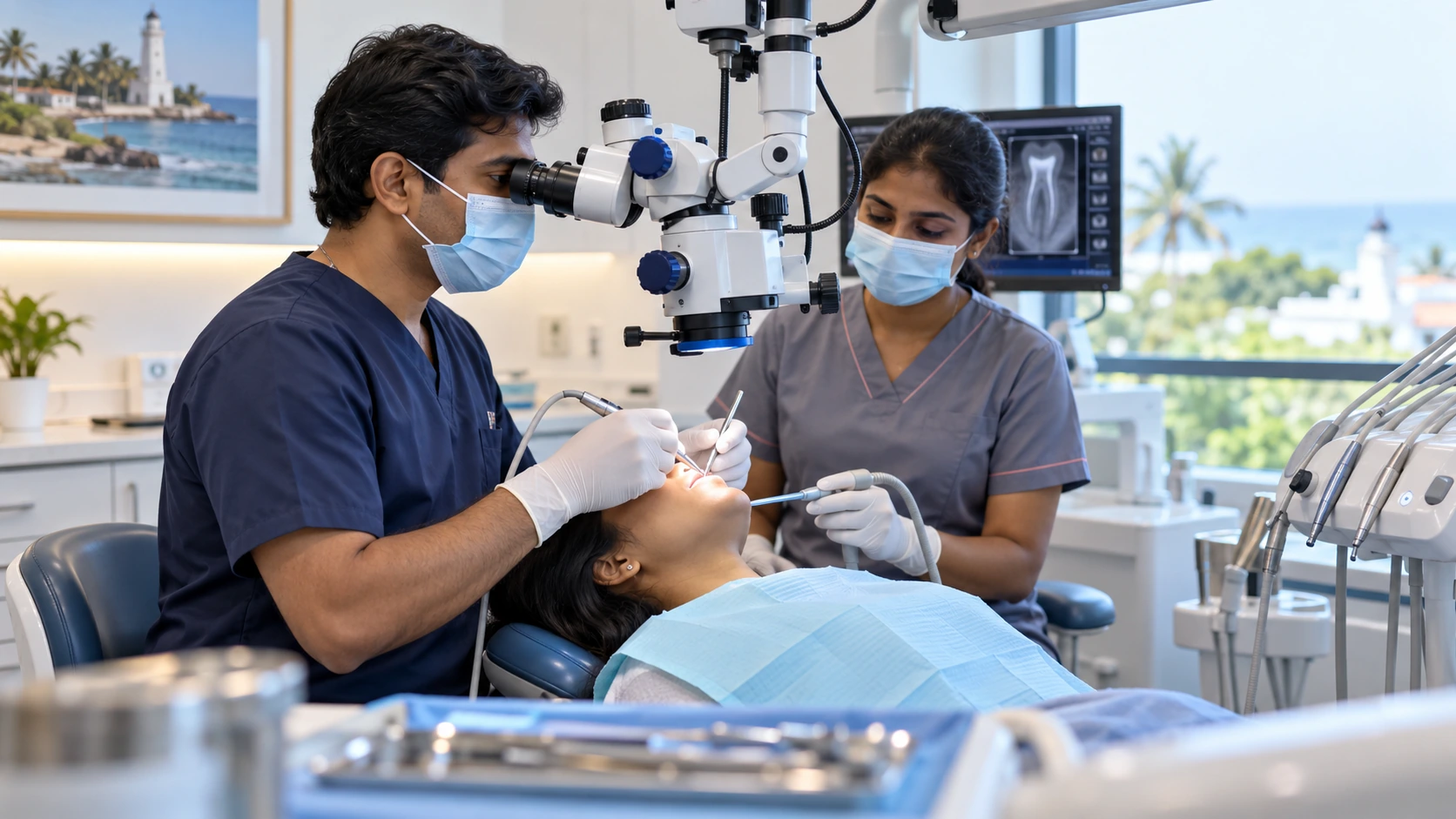
What Is Microscope-Assisted Root Canal Treatment?
Some root canal procedures involve very small or complex internal structures.
A dental operating microscope provides magnification and illumination that can help the dentist visualize fine details during selected endodontic procedures.
Microscope-assisted treatment can be useful in cases involving:
- Complex canal anatomy
- Difficult-to-locate canals
- Previously treated teeth
- Retreatment
- Detailed endodontic procedures
Do I Need a Root Canal or Tooth Extraction?
When a tooth is damaged or infected, treatment options depend on whether the natural tooth can be predictably restored.
Root canal treatment aims to preserve the natural tooth.
Extraction removes the tooth completely.
If a tooth is restorable and has an appropriate prognosis, preserving it may be considered. If the tooth cannot be predictably restored, extraction may be discussed.
Your dentist should evaluate:
- Remaining tooth structure
- Cracks
- Gum and bone support
- Root condition
- Overall restorability
Do I Need a Crown After Root Canal Treatment?
Some root canal-treated teeth need a dental crown to provide additional protection.
The recommendation depends on:
- Tooth location
- Amount of remaining tooth structure
- Existing cracks
- Size of previous fillings
- Bite forces
- Overall tooth condition
Back teeth experience substantial chewing forces, so additional restoration may often be considered.
Your dentist will determine the appropriate restoration after evaluating the treated tooth.
What Happens After Root Canal Treatment?
After the procedure, the treated tooth may feel slightly different for a short period.
Temporary tenderness can occur as the surrounding tissues recover.
Your dentist may provide instructions regarding:
- Eating
- Brushing
- Medication
- Temporary restorations
- Follow-up visits
- Final crown or restoration
Follow these instructions carefully.
Can I Eat After a Root Canal?
If your mouth is still numb after treatment, avoid eating until normal sensation returns.
This helps prevent accidentally biting your cheek, lip, or tongue.
If a temporary filling or restoration has been placed, follow your dentist's instructions about what to eat and how to protect the tooth until the final restoration is completed.
Root Canal Aftercare Tips
After root canal treatment:
- Follow your dentist's instructions
- Take prescribed medication as directed
- Avoid chewing hard foods on the treated tooth until advised
- Maintain regular brushing
- Floss carefully
- Attend the recommended follow-up
- Complete the final restoration when advised
Proper restoration and ongoing oral hygiene are important for protecting the treated tooth.
How Long Does It Take to Recover From a Root Canal?
Many patients can return to normal daily activities soon after treatment.
Some temporary tenderness may occur for a few days.
Recovery can vary depending on:
- Infection severity
- Tooth condition
- Complexity of treatment
- Number of appointments
- Individual healing
If pain or swelling increases rather than improves, contact your dentist.
When Should You Contact Your Dentist After RCT?
Contact your dentist if you experience:
- Severe or increasing pain
- Significant swelling
- A loose temporary restoration
- A broken tooth
- Persistent symptoms
- Difficulty biting normally
- Any concern about the treated tooth
Prompt evaluation can help identify complications or problems with the restoration.
What Happens If Root Canal Treatment Is Delayed?
If a tooth has significant pulp inflammation or infection, delaying necessary treatment may allow the condition to progress.
Potential complications can include:
- Increasing pain
- Swelling
- Infection around the tooth
- Damage to surrounding tissues
- Tooth loss
A reduction in pain does not necessarily mean the underlying dental problem has disappeared.
Professional examination is recommended when symptoms persist or return.
Is Root Canal Treatment Better Than Extraction?
Root canal treatment and extraction are different approaches.
Root canal treatment aims to preserve the natural tooth.
Extraction removes the tooth and may require a replacement option such as:
- Dental implant
- Dental bridge
- Partial denture
The appropriate choice depends on the condition and restorability of the tooth.
Your dentist can explain the advantages, limitations, and long-term considerations of each option.
Root Canal Retreatment
A previously treated tooth can sometimes develop new or persistent problems.
Possible causes include:
- Complex root canal anatomy
- Missed canals
- New decay
- Leakage around a restoration
- New infection
- Tooth fracture
In selected cases, root canal retreatment may be considered.
An Endodontist can evaluate the tooth and determine whether retreatment or another option is appropriate.
Root Canal Treatment for Front Teeth
Front teeth may require root canal treatment following:
- Deep decay
- Trauma
- Cracks
- Pulp damage
The final restoration is selected according to the amount of remaining tooth structure and aesthetic requirements.
Root Canal Treatment for Back Teeth
Back teeth have multiple roots and can have more complex canal anatomy.
They also experience significant chewing forces.
Treatment may therefore involve:
- Detailed diagnostic evaluation
- Careful canal preparation
- Appropriate restoration
- Crown planning when indicated
Root Canal Treatment During Pregnancy
If you are pregnant or planning pregnancy, tell your dentist before treatment.
Dental treatment decisions during pregnancy should be based on your individual condition, urgency, stage of pregnancy, and professional medical and dental guidance.
Do not delay urgent dental care without discussing the situation with your dentist.
Root Canal Treatment for Children
Children can sometimes require treatment for severely damaged or infected teeth.
The appropriate procedure depends on:
- Age
- Tooth type
- Stage of tooth development
- Extent of damage
- Whether the tooth is primary or permanent
A pediatric dental evaluation is important before deciding on treatment.
Root Canal Treatment Cost in Pondicherry
There is no single fixed price for root canal treatment.
The total cost can vary according to:
- Tooth type
- Number of canals
- Treatment complexity
- Single-sitting or multiple-visit treatment
- Microscopic treatment requirements
- Diagnostic imaging
- Restoration
- Crown material
- Retreatment requirements
The final quotation should be provided after examining the tooth and preparing an appropriate treatment plan.
What Can Increase Root Canal Treatment Cost?
Additional procedures may affect the total treatment cost.
These can include:
- Complex root canal anatomy
- Retreatment
- Microscopic endodontics
- Additional diagnostic imaging
- Core buildup
- Dental crown
- Treatment of a fractured tooth
Ask for an itemized treatment estimate so you understand what is included.
Why Choose an Endodontist for Root Canal Treatment?
An Endodontist specializes in diagnosing and treating conditions involving the dental pulp and root canal system.
Specialist evaluation can be particularly useful for:
- Complex root canals
- Difficult anatomy
- Retreatment
- Persistent symptoms
- Traumatic dental injuries
- Microscope-assisted procedures
Smile and Glow Dental Care provides endodontic and microscope-assisted dental services in Pondicherry.
Root Canal Treatment in Pondicherry at Smile and Glow Dental Care
Smile and Glow Dental Care provides root canal treatment and endodontic care in Pondicherry.
Patients can discuss:
- Tooth pain
- Deep decay
- Tooth infection
- Cracked teeth
- Root canal treatment
- Single-sitting RCT
- Root canal retreatment
- Microscope-assisted treatment
- Crown restoration
The treatment plan is based on examination findings and the condition of the individual tooth.
Root Canal Consultation in Pondicherry
If you are experiencing persistent tooth pain, sensitivity, swelling, or pain while chewing, a professional dental examination can help determine the cause.
During a consultation, your dentist can evaluate:
- Tooth condition
- Pulp health
- Root structure
- Infection
- Restorability
- Treatment options
Final Thoughts: Root Canal Treatment Guide in Pondicherry
Root canal treatment is designed to treat problems inside an affected tooth while preserving the natural tooth when appropriate.
The most important steps are:
- Recognize persistent symptoms
- Get the tooth professionally examined
- Identify the actual cause
- Choose an appropriate treatment plan
- Complete the recommended restoration
- Follow proper aftercare
If you have persistent tooth pain, prolonged sensitivity, swelling, pain while chewing, or a damaged tooth, a dental examination can help determine whether root canal treatment is appropriate.
Frequently Asked Questions
What is root canal treatment?
Root canal treatment is a dental procedure that removes inflamed or infected pulp, cleans and disinfects the root canals, and seals the tooth to help preserve the natural tooth.
How do I know if I need a root canal?
Persistent toothache, prolonged hot or cold sensitivity, pain while chewing, swelling, tooth discoloration, and deep decay can be warning signs. A dentist must examine the tooth to determine whether RCT is needed.
Is root canal treatment painful?
The procedure is performed using local anaesthesia. Some temporary tenderness or discomfort can occur after treatment.
Can root canal treatment be completed in one sitting?
Some suitable cases can be completed in a single appointment. The decision depends on infection, anatomy, symptoms, and the overall condition of the tooth.
Do I need a crown after root canal treatment?
Some teeth require a crown or another protective restoration after RCT. The recommendation depends on the tooth's location and remaining structure.
How long does root canal treatment take?
Treatment time varies according to the tooth, canal anatomy, infection, complexity, and whether additional appointments are required.
What should I avoid after root canal treatment?
Avoid chewing on the treated tooth until your dentist advises that it is safe, especially if a temporary restoration is present.
Can a root canal-treated tooth get infected again?
Yes. A previously treated tooth can develop new or persistent problems and may sometimes require retreatment.
Is root canal treatment better than extraction?
Root canal treatment aims to preserve the natural tooth, while extraction removes it. The appropriate option depends on whether the tooth can be predictably restored.
Where can I get root canal treatment in Pondicherry?
Smile and Glow Dental Care provides root canal and endodontic treatment in Pondicherry, including single-sitting and microscope-assisted treatment for suitable cases.